


Self-publishing
How to Write for Pocket FM and Serialized Fiction Apps
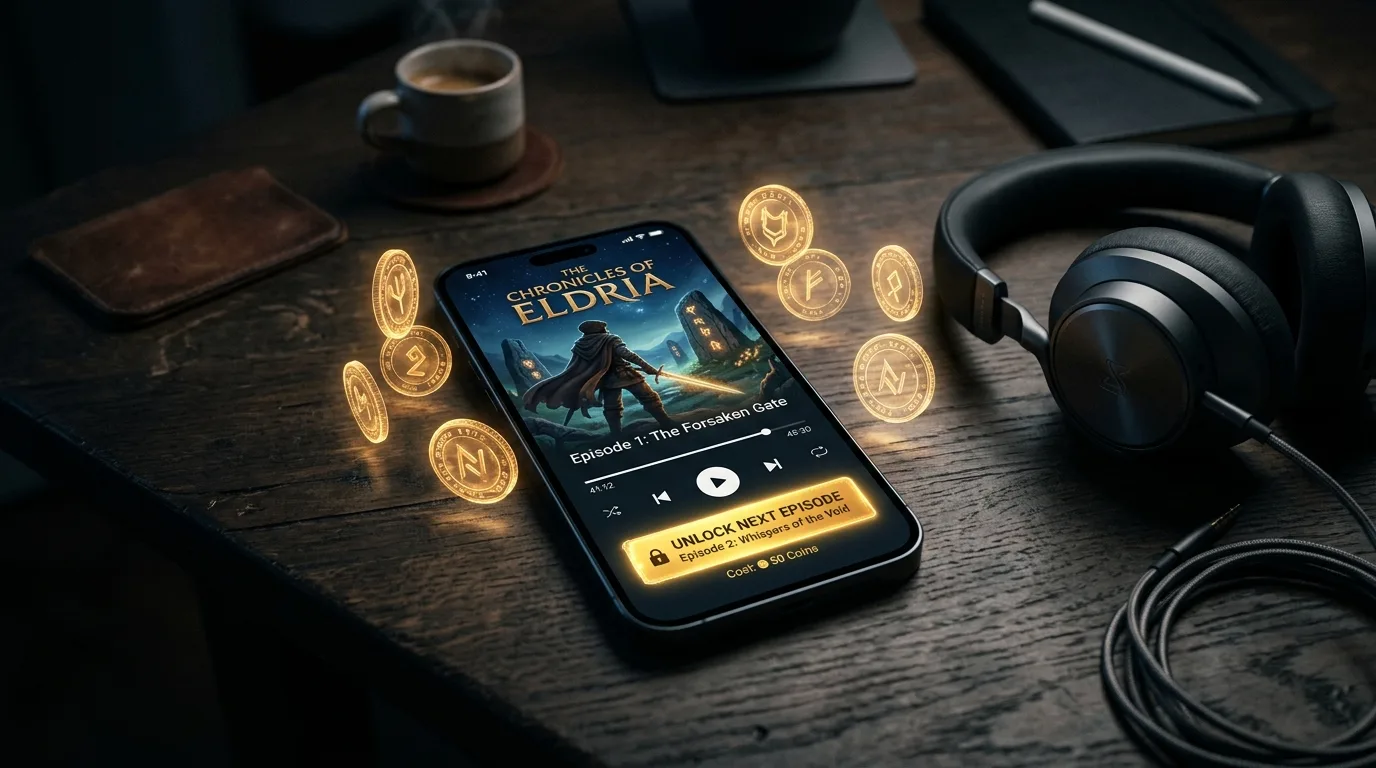
How to write for Pocket FM and Royal Road, what LitRPG is, and how authors monetize episodic serials in 2026.
Practical guides on creative writing, how to make the most of AI in your novel, worldbuilding, productivity, and self-publishing. Real knowledge for writers who want to finish and publish.
How to write for Pocket FM and Royal Road, what LitRPG is, and how authors monetize episodic serials in 2026.
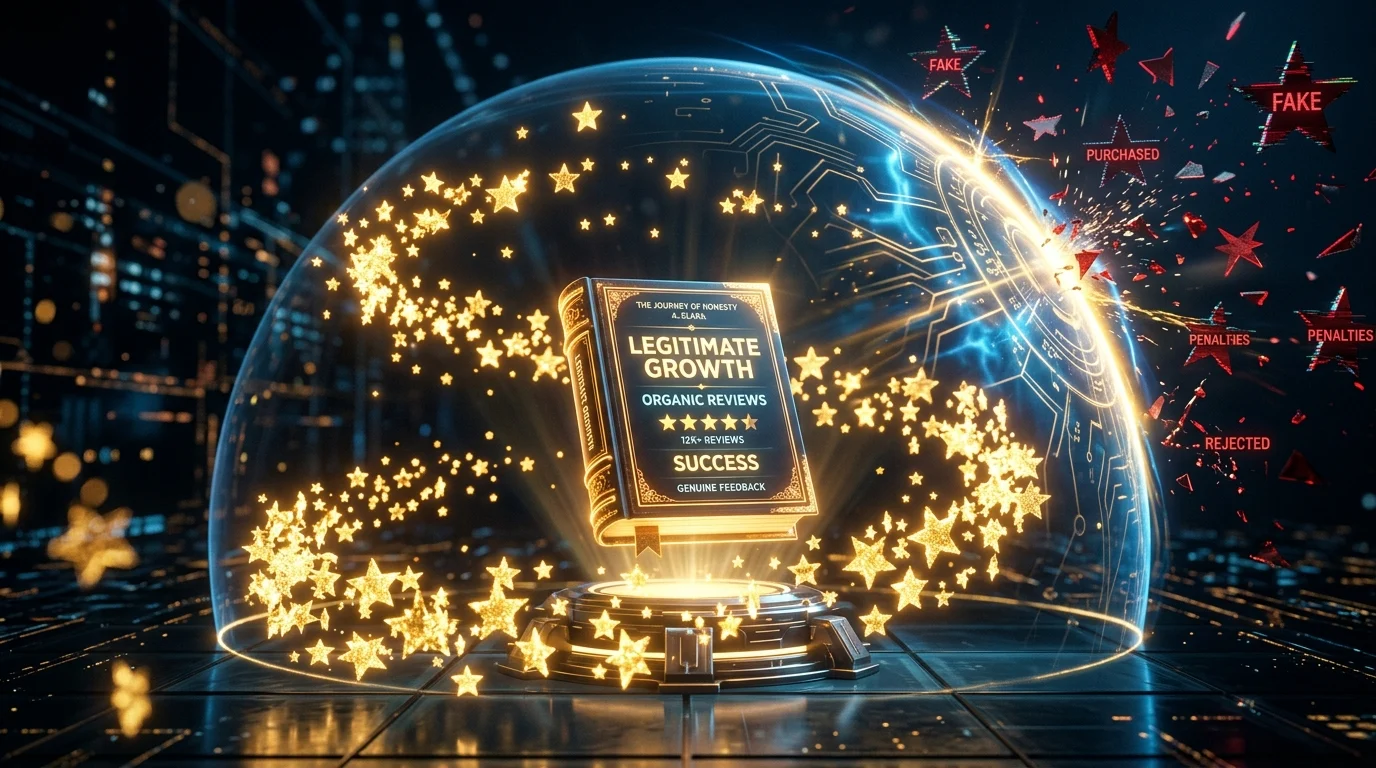
Get honest reviews for your book on Amazon and Goodreads without breaking the rules: ARCs, beta readers, and a step-by-step 60-day plan.

Learn what a subplot is, what types exist, and how to weave them into the main plot without losing the thread. A practical guide with examples for your novel.

Why AI prose reads like a machine, the 12 tells that give it away, and the method that makes AI writing sound human — like you, not a chatbot.
How to write a horror novel that's actually scary: the difference between terror and horror, how fear works, horror subgenres, and sustaining tension.
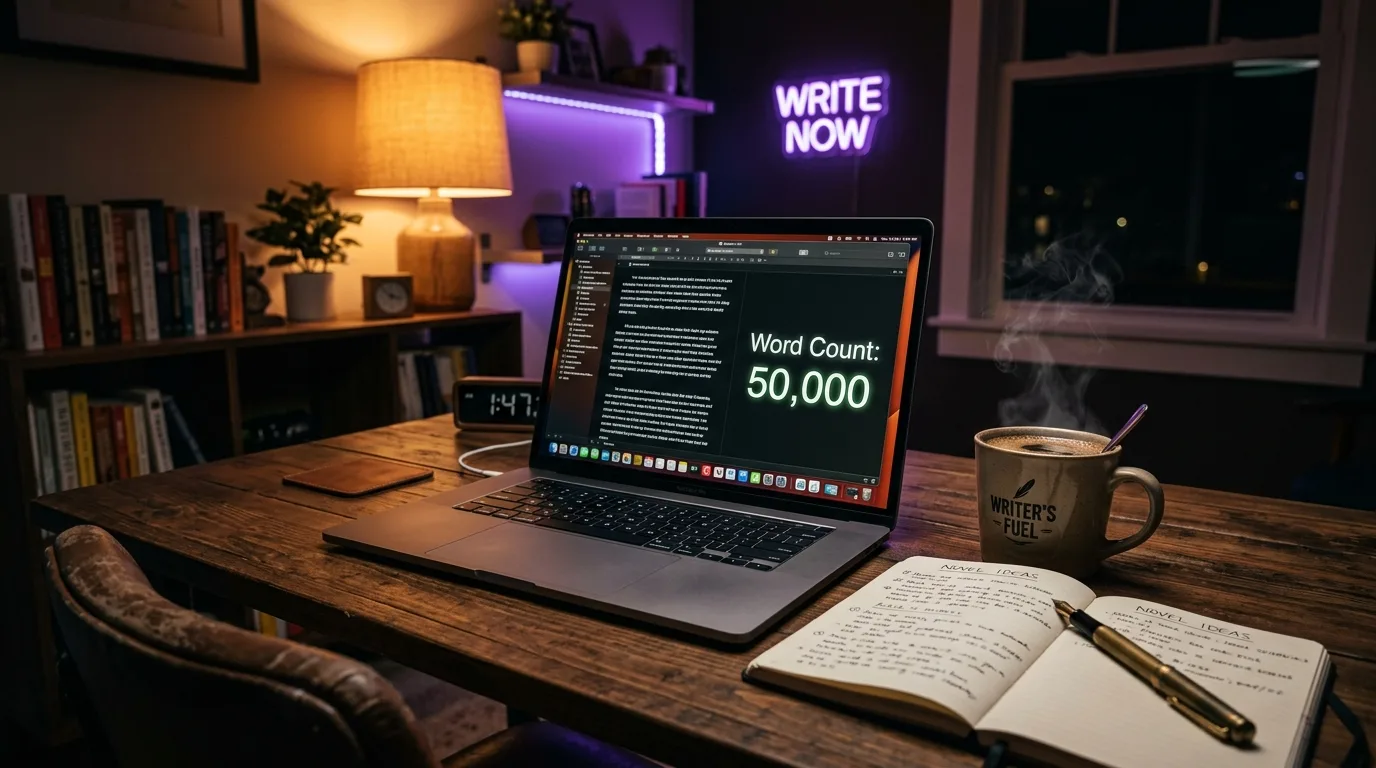
NaNoWriMo shut down in 2025. We compare six real options — including Novel November's free dashboard — for writing 50,000 words this November, with a clear winner.
Looking for a Sudowrite alternative? Scriptum assists instead of ghostwriting, remembers your whole novel, and preps it for KDP. Flat price, no credits, BYOK.
Verified EFA per-word rates for fiction, a worked example for an 80,000-word novel in USD, and how to pay less by arriving with a clean manuscript.
The word-count ranges the publishing industry actually uses, genre by genre and with named sources, plus a calculator to turn words into pages.

How to write crime fiction with real rigor: what defines the genre, how a murder is actually investigated in Spain, subgenres, structure and fair clues.

AI written novel copyright, explained: is the book yours? Spanish law, the EU AI Regulation of 2 August 2026, registration and what Amazon KDP requires.
How to write romantasy: what it is, the tropes readers expect, the beat sheet that fuses romance and fantasy, and the happy-ending contract. 2026 guide.
BookTok drove 6.3 million book sales in Spain in 2025. An author's guide: what actually goes viral, how to write clippable scenes, scripts and hashtags.
Looking for Scrivener alternatives? We compare Scrivener, Scriptum, Novelcrafter, Atticus and Ulysses on AI, cover design, KDP layout and price. Pick right.
What's the best software to write novels in 2026? We compare Scriptum, Scrivener, Sudowrite, Word and Atticus on price, AI and KDP. An honest buyer's guide.
Discover Scriptum, the book writing software with AI that remembers your novel, cover design, page layout and publishing on Amazon KDP. From €7.25/month.

Want to write a book but don't know where to start? You're not alone. Practical guide: beat your fears, define your idea, and write your first 200 words today.
The NaNoWriMo organisation shut down in 2025. What happened, what Novel November is (the ProWritingAid successor), and the best alternatives for writing your novel in November.
The types of ending that work, how to close your protagonist's arc, keep the promise you made the reader, and avoid the deus ex machina and the rushed finish that make readers close the book let down.
The five senses, the telling detail, and how to describe characters and places without killing the pace or boring the reader.
What writing voice really is, why most writers never find theirs, and how to develop your own with practical exercises.

The 15 Save the Cat beats explained for fiction, with examples, percentages, and a fillable template to structure your story.

The real answer with actual income data — how many books you need, which income streams work, and how long it takes.

Free strategies, Amazon Ads, launch week and newsletter — everything you need to get your self-published book in front of readers.
The 5 most common plot holes, why they multiply past 100,000 words, and how to fix them without rewriting everything.
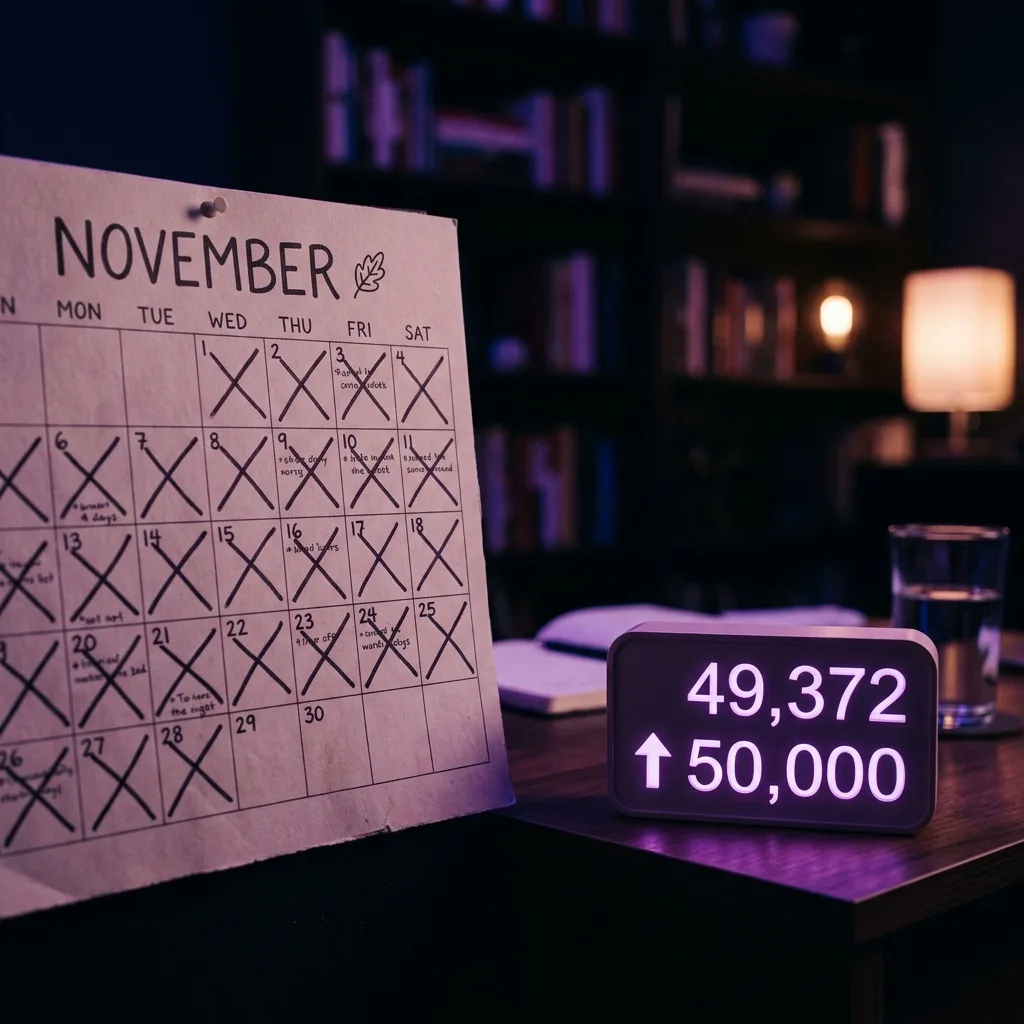
The week-by-week plan, the maths of 1,667 words a day, and how to survive Week 2 and cross the finish line.

The opening line that hooks, what the first chapter must achieve, and the starting mistakes that make readers quit.
What to include and how to keep your World Bible consistent across a series so you never contradict yourself.
Control, royalties, costs and timelines compared honestly: which path suits your novel.
Research, period setting, anachronisms and the coherence of a thousand details: the guide to writing a historical novel that convinces.

How to write a thriller that hooks readers from page one: tension, pacing, stakes, plot twists, and structure. A practical guide with examples.
Can ChatGPT write a novel? For ideas and unblocking, yes. For a long, coherent novel, it falls short. Here's exactly why — and what you really need instead.

An honest comparison of the three: which writes best, which knows your novel, which fits your budget, and which keeps you in charge.
Outliner or discovery writer: strengths, weaknesses, the plantser hybrid, and how to discover your method.

The best sources, the magic "what if?" question, techniques to generate ideas at will, and how to turn a spark into a novel.
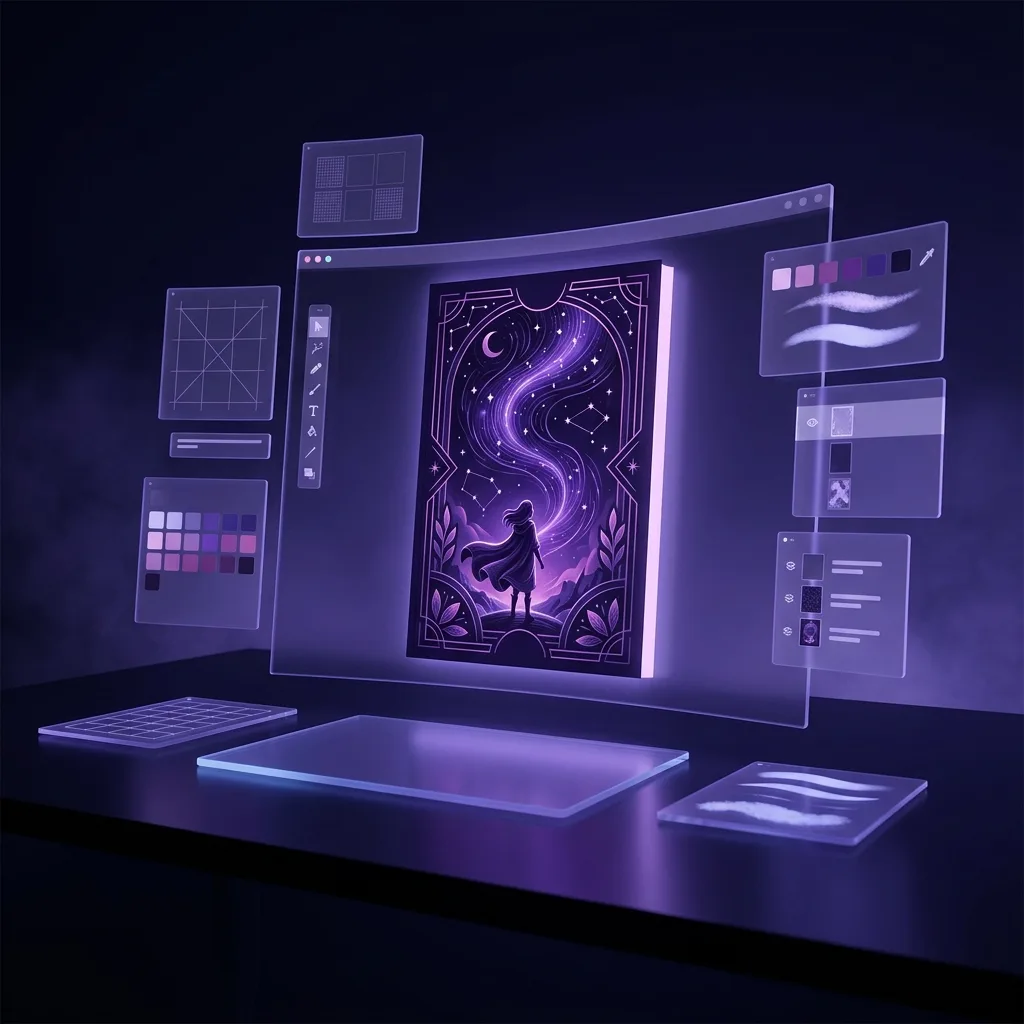
The elements, typography, colour and genre, and the mistakes that give a beginner away. How to create a cover that sells.
Believable motivation, the villain as the hero's mirror, antagonist types, and the mistakes that ruin them. With a character sheet template.
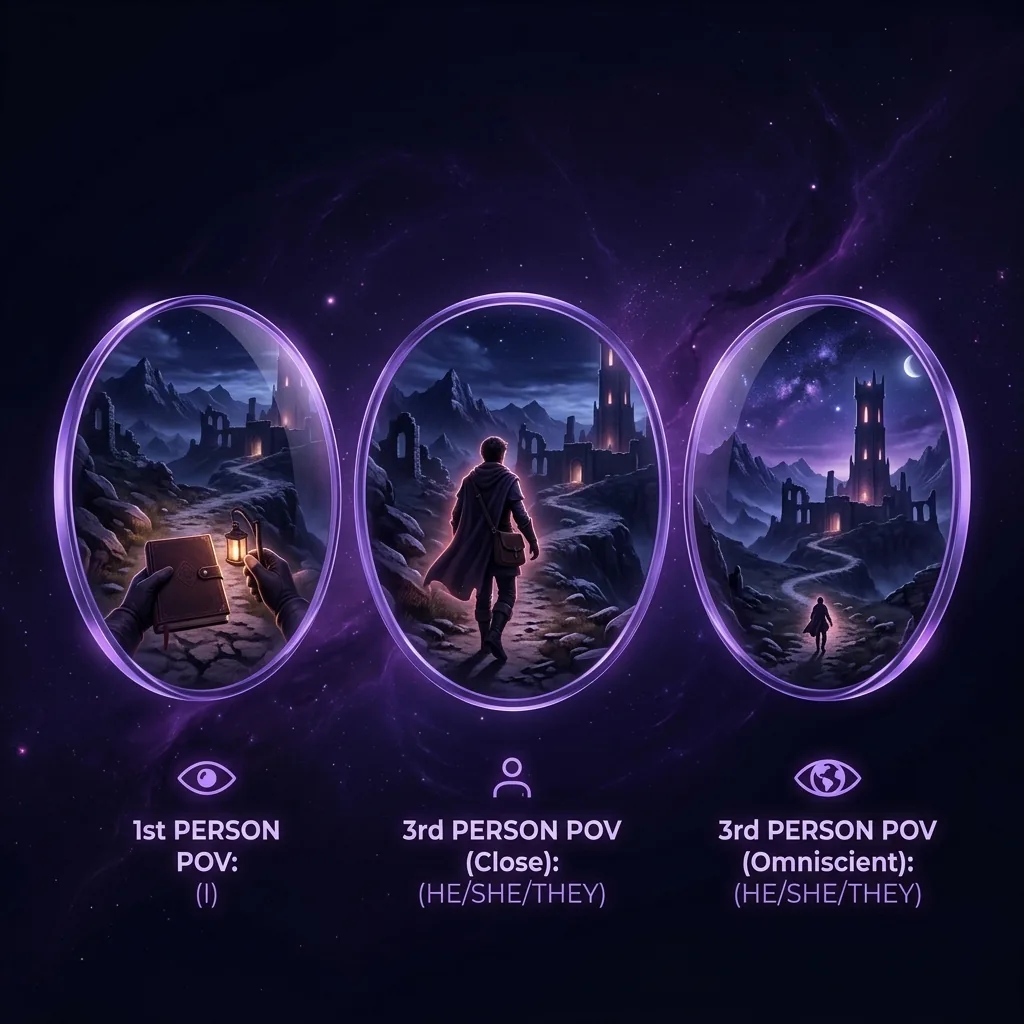
First, second or third person; limited, omniscient or objective narrator. How to choose your novel's narrator, with examples and head-hopping to avoid.

A fixed time, a tiny goal, a protected window, and the chain you never break: the four-piece system that finishes novels.
The three editing levels, how to gain critical distance from your manuscript, and how to edit a novel until it's ready to publish.
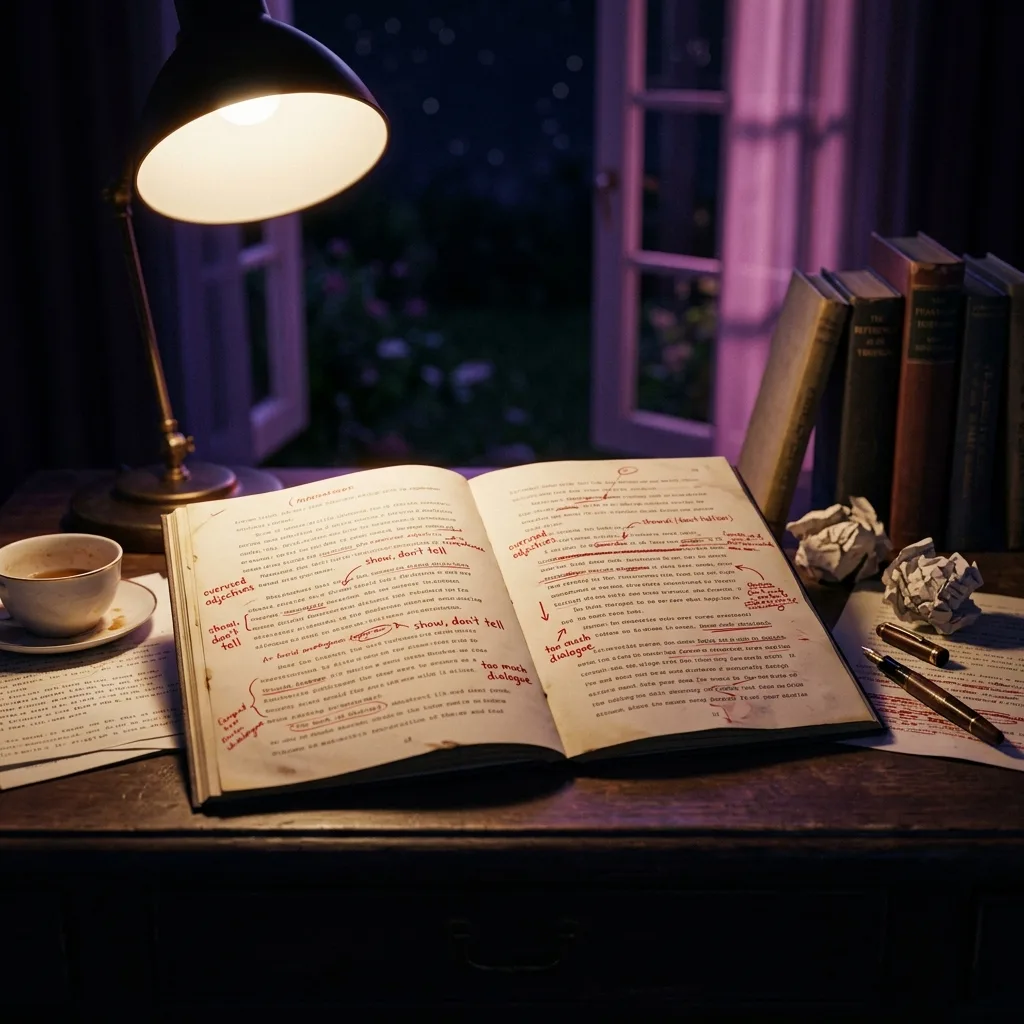
The 15 most common writing mistakes in a novel: what they are, why they kill the manuscript, and how to fix them with real examples.
Yes, and it's legal: AI-generated vs. assisted, what Amazon requires you to declare, and how to do it without penalties.
No, but it will change the craft. What AI can and can't do, what the industry says, and why your voice remains irreplaceable.
The sagging middle, the ugly first draft, consistency over inspiration, and the final sprint to write THE END.
The novum, scientific worldbuilding with consequences, and the human question at the center of the technology.

The anatomy of the hook, the two types of synopsis, and the mistakes that sink yours, with examples.

Chemistry, tension, the beats of romance, and the happy ending the genre demands. With tropes and mistakes to avoid.
A coherent world, magic with limits, and characters who matter more than the map: the keys to writing fantasy.
Show emotions through actions and details instead of stating them, with before-and-after examples.
The anatomy of a good prompt and two worked examples (fantasy/sci-fi and romance) ready to adapt.

An honest comparison of Scriptum, Sudowrite, NovelCrafter, NovelAI, and more: which one fits the way you write.
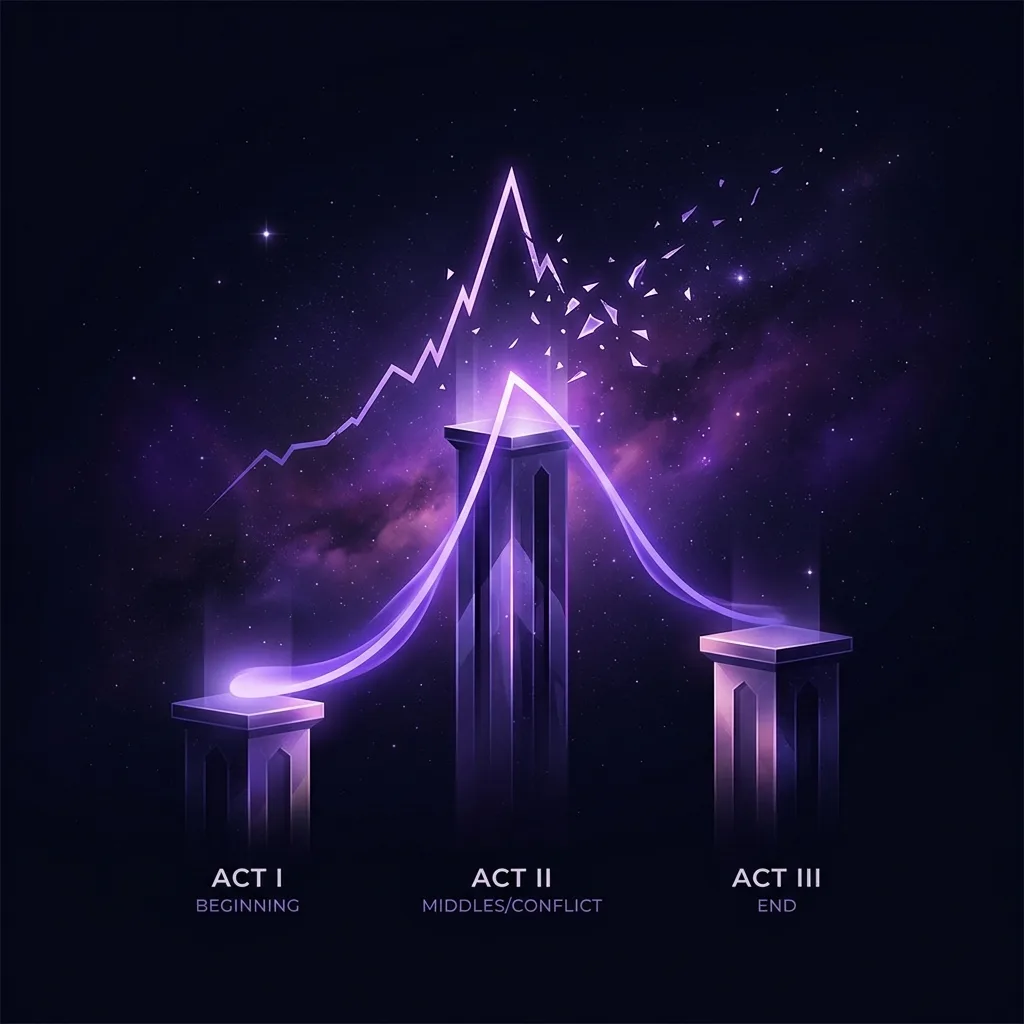
Setup, confrontation, and resolution with the plot points that keep your novel's tension alive.

Give every character a desire, a wound, and contradictions: the keys to memorable protagonists and villains.

From finished manuscript to book on sale: account, format, cover, keywords, price, and royalties, explained step by step.

Subtext, a distinct voice for each character, and pace: the guide to making your dialogue sound real.
How to create a coherent, living fantasy or sci-fi world without getting lost in the details.

The complete guide, from idea to publication: structure, characters, first draft, and editing, with a clear method and no shortcuts.

Concrete methods to use AI as a copilot and beat the blank page, without losing your voice.