The Save the Cat beat sheet is a template of 15 key scenes — the "beats" — that tells you what needs to happen and when in your novel for the story to actually work. It started life as a screenwriting tool, but it adapts perfectly to fiction in any genre. In this article you'll find every beat explained with narrative examples, the approximate percentage where it should land, and a fillable table so you can build your own novel structure step by step.
You've been writing for weeks and suddenly the story stalls. It's not that you're out of ideas — it's that you don't know where they're going. The three-act structure gives you the skeleton, but it sometimes falls short for solving the most common long-fiction problem: knowing exactly which scene you need to write right now. That's where the Save the Cat beat sheet changes everything. If you're still wrestling with whether you're a planner or an improviser, first take a look at the debate between plotters and pantsers; if you already know you want a map, read on.
What is a beat sheet and where did Save the Cat come from?
The term beat sheet comes from the world of film screenwriting. A "beat" is a narrative moment with its own weight: something changes, something is revealed, or someone makes a decision they can't walk back from. A beat sheet is simply the list of those key moments arranged in order.
Blake Snyder was a Hollywood screenwriter who, in 2005, published Save the Cat! The Last Book on Screenwriting You'll Ever Need. The title comes from a technique for making the audience empathise with the protagonist in the first few minutes: showing them doing something that saves someone (or something) before the conflict kicks in. But the book goes far beyond that one trick — it proposes a 15-beat method with precise percentages for a 110-page screenplay.
What made Snyder's beat sheet cross over from film to fiction is that it doesn't work with specific genres or plots — it works with the emotional architecture of any story. The instincts that make a reader unable to put a book down are the same ones that keep a filmgoer in their seat. Author Jessica Brody popularised the novel adaptation in Save the Cat! Writes a Novel (2018), and since then it has become one of the most widely used planning tools in writing communities around the world.
Beat sheet vs. three-act structure: when to use each
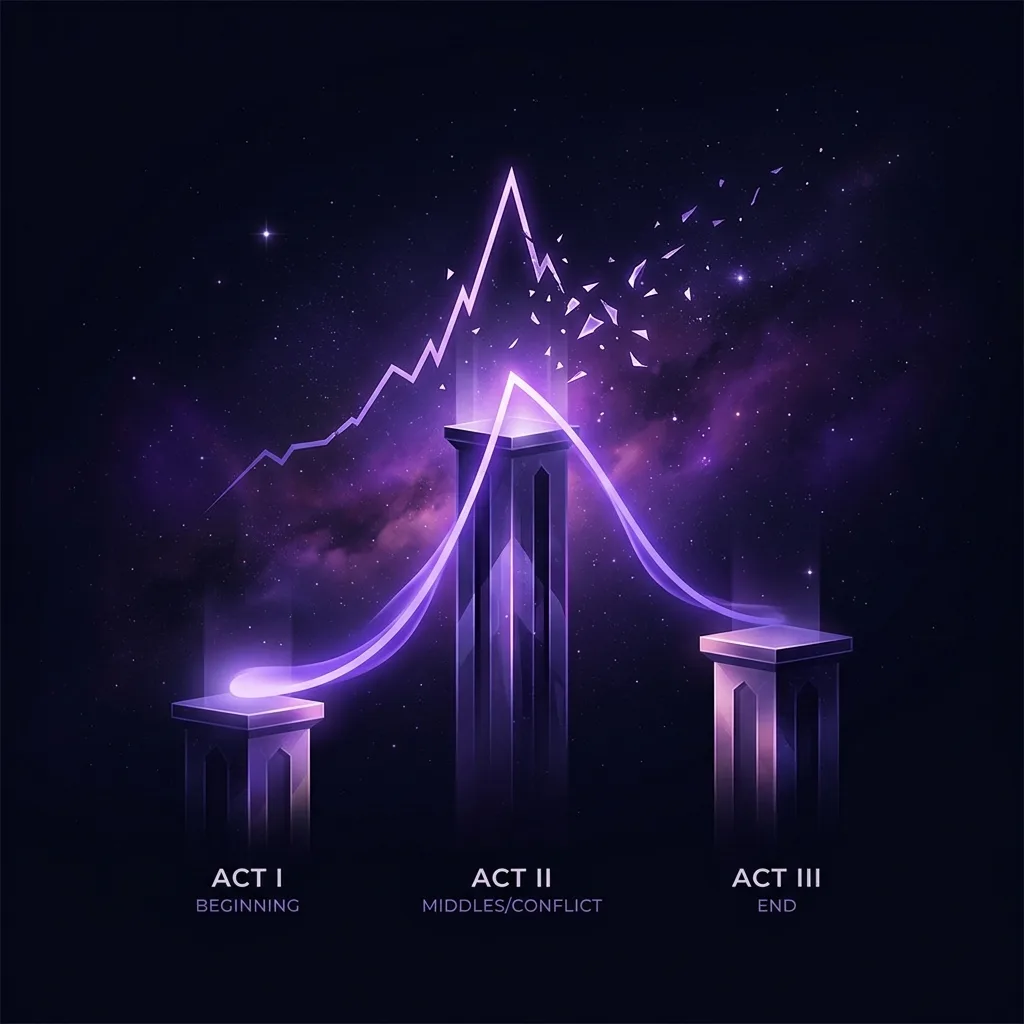
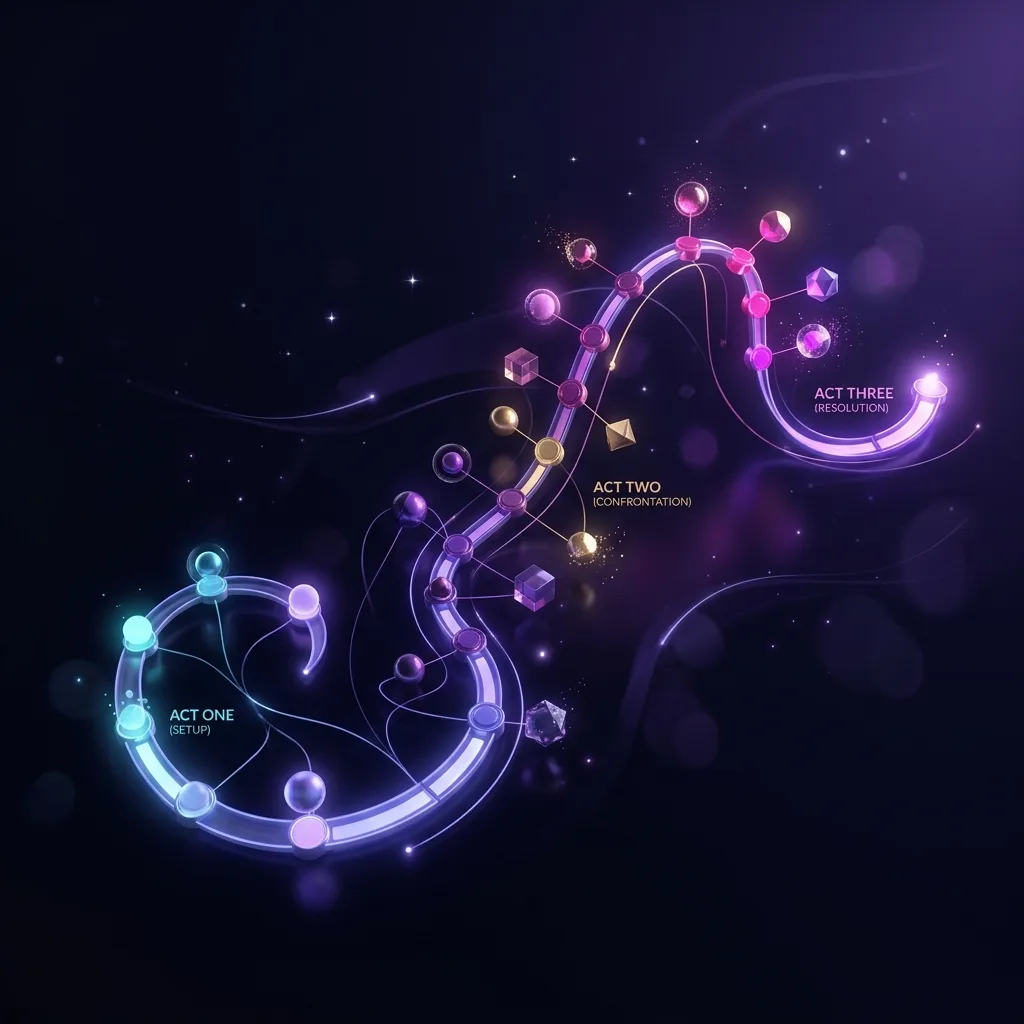
The three-act structure is the most universal narrative framework: setup, confrontation, and resolution. Its power comes precisely from its simplicity — but that simplicity has a cost. Between the end of Act One and the start of Act Three lies a vast territory — the infamous "second act" — where many novels bog down or lose momentum.
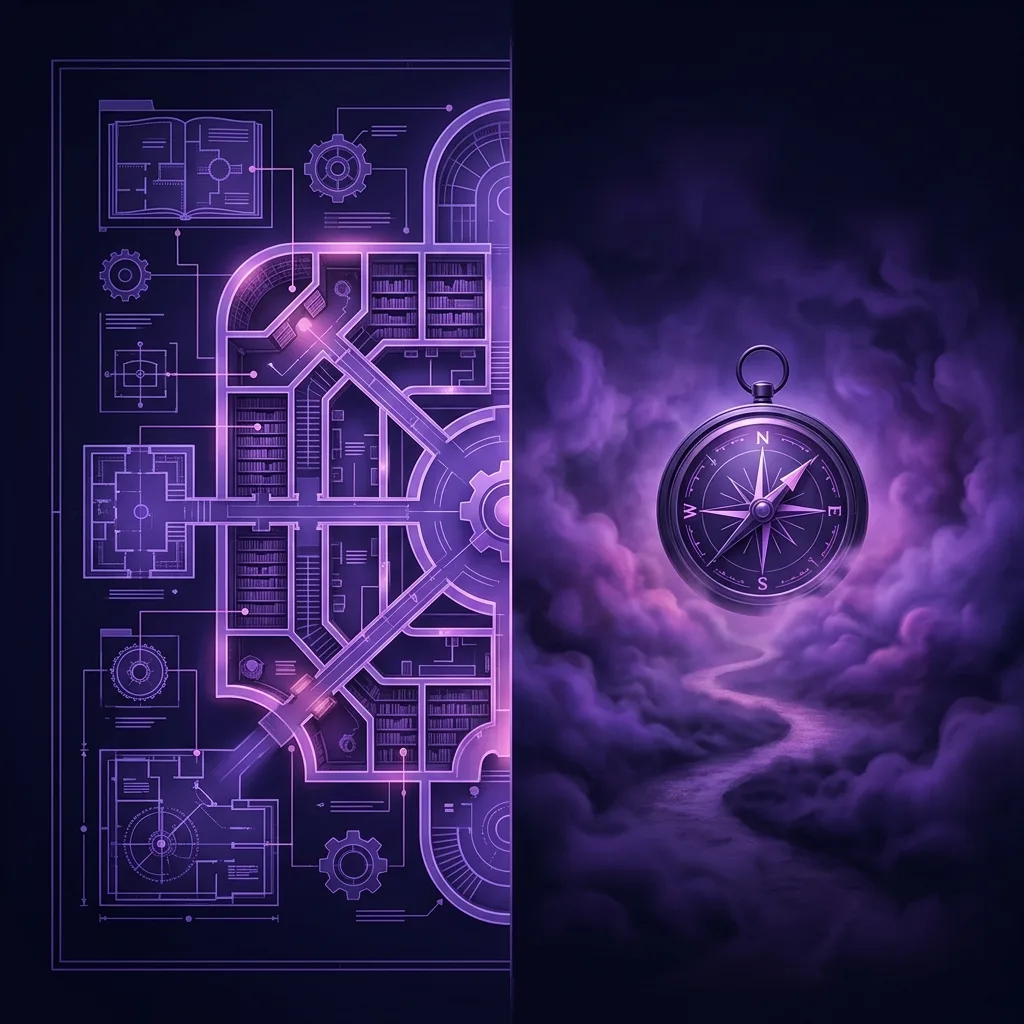
The beat sheet doesn't replace the three-act structure: it fills it in. The 15 Save the Cat beats live inside that framework and tell you exactly what needs to happen at each stretch of the second act to keep the story's pulse going. Think of it this way: if the three acts are the blueprint of a building, the beat sheet is the floor plan of every room.
Use the three-act structure when you're still shaping the general idea and need a broad outline. Use the beat sheet when you already know what your story is about and need to know which scene to write tomorrow. Both tools are compatible, and they complement each other.
The 15 Save the Cat beats, one by one
Below you'll find each beat with its name, the function it serves, the approximate percentage where it should land in your novel, and a fiction example.
1. Opening Image — 0–1%
The first scene or image in the book. It should show the protagonist's world as it is before the change. By the time you reach the Final Image, the contrast between the two should show — without a word of explanation — how much everything has shifted. In Pride and Prejudice the opening presents a household where daughters must marry well to survive; by the close, Elizabeth chooses for love. The contrast is everything.
2. Theme Stated — 5%
Someone — a supporting character, the antagonist, or even the protagonist without realising it — speaks or embodies the central question the novel is going to explore. It's not a speech: it's a line that lands in passing but carries the book's moral thesis. The protagonist doesn't understand it yet; they will by the end. "Nobody can save you if you won't save yourself" dropped in the opening scene of a novel about addiction is not a premature moral — it's a seed that will germinate 300 pages later.
3. Set-Up — 1–10%
The protagonist's world is shown in its initial state, including their flaws, their relationships, and what they think they need (which is never what they actually need). This is also where you plant every seed that will bloom later: objects, secondary characters, lines that will click into place in retrospect. Good set-up doesn't feel like exposition — it feels like ordinary life that already has something slightly off about it. It's the ideal moment to develop your main characters in depth.
4. Catalyst — 10%
The event that shatters the status quo and from which there is no going back. A death, a letter, a firing, an encounter, a secret exposed. The Catalyst is not something the protagonist causes — it happens to them. It's the jolt that sets the story in motion. In The Hunger Games, the Catalyst is Katniss volunteering in place of her sister. Everything before it was set-up; everything after is consequence.
5. Debate — 10–20%
After the Catalyst, the protagonist hesitates. Do they accept the change or resist it? This section is not passive indecision — it's the moment when the reader understands the cost of what's coming. The protagonist fears, negotiates with themselves, looks for an exit that doesn't exist. The clearer the stakes of taking that first step, the more tense this stretch will be.
6. Break into Two — 20%
The protagonist makes the active choice that launches them into Act Two. Something no longer happens to them — they choose. This moment marks the end of the "A World" (the world before) and the beginning of the "B World" (the world of conflict). It's the defining choice: Frodo decides to carry the Ring; Elizabeth decides to judge Darcy by his actions rather than his fortune. Without this active choice, the protagonist is a victim, not a hero.
7. B Story — 22%
A subplot — almost always a relationship: romantic, a friendship, a mentorship — appears or comes to life. This is the emotional vehicle for the theme. While the A Story moves forward on the level of action, the B Story explores the inner level. By the end, resolving the B Story is what allows the protagonist to resolve the A Story. They're not separate threads — they're two sides of the same transformation.
8. Fun and Games — 20–50%
The longest stretch of the novel. Here the protagonist lives out the consequences of their Act Two choice: they explore the new world, face their first obstacles, and score their first wins. This is the "promise of the premise" — if your novel is about a writer who enters the world of magicians, this is where you see the spells, the duels, and the alliances. It doesn't have to be all action: humour, sexual tension, and discovery belong here too. What can't be missing is forward momentum.
9. Midpoint — 50%
Exactly at the halfway mark, something changes the nature of the conflict. It can be a false victory (the protagonist thinks they've pulled it off, but the real danger hasn't arrived yet) or a false defeat (everything seems lost, but this is actually the moment the protagonist commits fully). The Midpoint raises the stakes and closes the escape hatch — from here on, the story is more urgent.
10. Bad Guys Close In — 50–75%
After the Midpoint, everything gets systematically worse. The antagonists — external or internal — gain ground. The protagonist's alliances weaken, their plans fail, and their flaws start to cost them dearly. This stretch should feel like a downward spiral. It's not narrative pessimism — it's the necessary preparation for the final blow to carry real weight.
11. All Is Lost — 75%
The darkest moment in the novel. The protagonist loses what they value most: a relationship, an opportunity, a person. Snyder insists on what he calls a "whiff of death" here — symbolic or literal. Someone dies, something ends for good, or the protagonist destroys the very thing they were trying to protect. This beat needs to genuinely hurt the reader.
12. Dark Night of the Soul — 75–80%
The protagonist hits rock bottom emotionally. They are alone, shattered, and out of answers. This stretch is not action — it's raw introspection. And in that silence — right when there seems to be no way out — the revelation arrives. Not from outside: from within. The protagonist understands something about themselves, about the book's theme, that they couldn't see before. That understanding is what allows them to take the next step.
13. Break into Three — 80%
Armed with the Dark Night's revelation, the protagonist decides to act. This time with full awareness of what is at stake and of who they really are. The choice they make here is the transformed answer to beat 5 (the Debate): there's no hesitation now, only action. The final sprint begins.
14. Finale — 80–99%
The climax and its resolution. The protagonist applies everything they've learned to defeat the external antagonist. But the real battle is internal: they must overcome the flaw that held them back from the very beginning in order to win. Supporting characters get their closure, subplots are resolved, and the novel's world is irreversibly transformed.
15. Final Image — 99–100%
The mirror of the Opening Image. Same situation, same elements — but everything has changed. The contrast between the two images should show, without a single word of exposition, the protagonist's complete arc. If you opened with a character locked inside staring out the window, close with them walking out the door. The visual economy of this device is devastating when it's done right.
How to adapt the beat sheet from screenplay to novel
The main difference between a screenplay and a novel is scale: a standard screenplay runs 110 pages; a genre novel typically clocks in between 80,000 and 120,000 words. That means each beat is not one page — it can be several chapters.
There are three key adjustments when adapting the beat sheet to fiction. First, the variable length of each beat: Fun and Games might span 20 or 30 chapters; the Opening Image and Theme Stated are often a single scene. Not every beat takes up the same number of pages. Second, subplots: a novel can sustain more narrative threads than a screenplay. Each subplot can have its own internal mini-beat-sheet, with its own Catalyst, Midpoint, and resolution. Third, chapter-level pacing: in a novel you also have to manage rhythm within each chapter, not only between chapters. The beats on the beat sheet are turning points for the story as a whole, not for each individual scene.
A frequent mistake is trying to fit one beat into each chapter. It doesn't work that way. Beats are structural anchors for the complete story, not for each unit of writing. You can have 40 chapters and 15 beats, and it's perfectly normal for some beats to land in the middle of a chapter without anyone noticing.
Your beat sheet in 15 rows
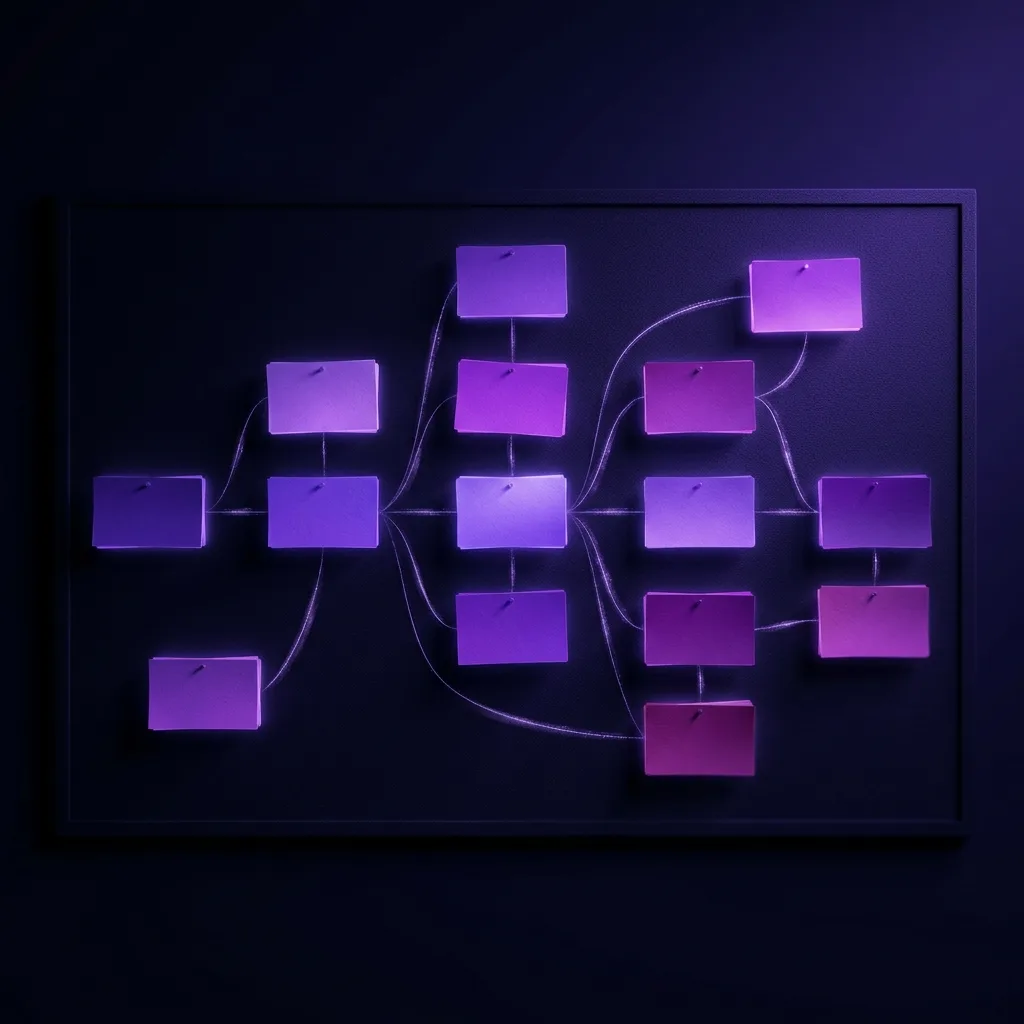
The most practical way to work with Save the Cat is to build a table with all 15 beats and fill it in with your novel's specific details. Here's the base template. If you use Scriptum's Planning Board, you can set up this structure directly as cards in columns, see your complete arc at a glance, and rearrange beats without losing the thread.

| # | Beat | % approx. | What happens in your novel |
|---|---|---|---|
| 1 | Opening Image | 0–1% | Your initial world before the change… |
| 2 | Theme Stated | 5% | The central question someone voices without realising it… |
| 3 | Set-Up | 1–10% | Everyday life, flaws, and planted seeds… |
| 4 | Catalyst | 10% | The event that shatters the status quo… |
| 5 | Debate | 10–20% | The hesitation and the cost of accepting the change… |
| 6 | Break into Two | 20% | The active choice that launches the protagonist… |
| 7 | B Story | 22% | The relationship that carries the theme emotionally… |
| 8 | Fun and Games | 20–50% | The promise of the premise in action… |
| 9 | Midpoint | 50% | False victory or false defeat that raises the stakes… |
| 10 | Bad Guys Close In | 50–75% | The downward spiral: failures and broken alliances… |
| 11 | All Is Lost | 75% | The story's most painful loss… |
| 12 | Dark Night of the Soul | 75–80% | Rock bottom and the inner revelation… |
| 13 | Break into Three | 80% | The transformed decision that opens the final sprint… |
| 14 | Finale | 80–99% | Climax, subplot resolutions, and a transformed world… |
| 15 | Final Image | 99–100% | The mirror of the opening: the contrast that says it all… |
Common Save the Cat mistakes (and how to avoid the formula trap)
The biggest fear writers have with any structural tool is losing their voice. It's a legitimate fear, but it usually stems from a misunderstanding of what the beat sheet actually does.
Mistake 1: Applying it mechanically without understanding the "why." Every beat exists because it answers an emotional need in the reader, not because Snyder said so. If you fill beat 11 ("All Is Lost") with something that doesn't genuinely hurt, the reader will feel it even if the percentage is right. The beat sheet is not a contract — it's a guide for taking your story's emotional structure seriously.
Mistake 2: Confusing the template with the plot. The beat sheet marks when key moments need to happen, not what those moments have to be. Two writers using the same beat sheet can produce radically different novels because their characters, worlds, and voices are unique.
Mistake 3: Hitting the percentages to the decimal. The percentages are guidelines. If your Midpoint lands at 48% or 53%, nobody will notice. What matters is that the story feels like it's in the right place — not that the word counter says so.
Mistake 4: Forgetting that the beat sheet is for planning, not for revision. Using it to analyse a finished draft can paralyse you. Use it before you write, or between the first and second draft, when you can still move pieces around without it hurting.
If you're worried about your novel losing its originality through any kind of structure, remember that starting to write always generates surprises that no template can anticipate. The structure is the map; the journey is still yours.
A beat sheet doesn't make all stories sound the same any more than a building's blueprint makes all houses look alike. The scaffolding is the same; what you build on it is entirely your own.
Generate your beat sheet with Aura
One of the most useful applications of Aura, Scriptum's AI, is helping you get your beat sheet off the ground when the blank page has you stuck. Start from your premise — protagonist, central conflict, and genre — and Aura proposes all 15 beats tailored to your specific story, with the tone and particulars of your narrative world.
The value isn't in accepting the proposal as-is: it's in having a solid starting point you can question, adjust, and make your own. Aura builds the scaffolding; you decide what the building looks like. From Scriptum's Planning Board you can lay out those 15 cards, rearrange them, add character notes, and build your complete structure without ever leaving your writing environment.
Frequently asked questions
Does Save the Cat work for novels or only for screenplays?
Save the Cat was born as a screenwriting tool, but it works just as well for fiction. The same narrative instincts that keep a filmgoer glued to their seat operate on the reader: identifying with the protagonist, wanting to know what happens next, feeling that every scene goes somewhere. The main adaptation is scale: in a screenplay each beat lasts a few minutes; in a novel it may span several chapters. The underlying structure is identical.
How many words should each beat cover in a novel?
It depends on your total word count, not on a fixed number. Use the percentages: if your novel is 90,000 words, the Catalyst (beat 4) should land around word 9,000 (10%). The Midpoint will be near word 45,000. Some beats are short, concrete scenes of a few pages; others, like Fun and Games, can stretch across many chapters.
Is a beat sheet the same as an outline?
Not exactly. A scene outline is an ordered list of every scene, structured by nothing more than chronology. A beat sheet groups those scenes into 15 narrative moments, each with a specific dramatic function and an approximate position. The beat sheet is more skeletal and strategic; the outline is more granular and operational. The typical workflow is to plan with the beat sheet, then develop with a full outline.
Can I use Save the Cat for fantasy, romance, or thrillers?
Yes. The 15 beats are genre-agnostic because they work on the protagonist's emotional architecture, not the genre's surface events. In fantasy the Catalyst might be a call to a magical world; in romance, the meeting with the love interest; in a thriller, the opening threat. The beat sheet doesn't dictate what happens — it dictates when each key emotional moment needs to happen. It works across all narrative genres.
Does Save the Cat make all stories sound the same?
Only if you apply it mechanically. The beat sheet is scaffolding, not the building: it marks when the protagonist must cross a threshold or hit rock bottom, but says nothing about who that protagonist is, what they lose, or how the author tells the story. Two novels built on the same beat sheet can be radically different. The real danger is not structure — it's failing to understand why each beat exists and filling it without conviction.
Can I create my beat sheet with AI?
Yes, and it's one of the most effective ways to get started. With Aura, Scriptum's AI, you can start from your premise and get a proposed set of 15 beats tailored to your genre and characters. The value is not in accepting the suggestion as-is — it's in using it as a starting point to question, adjust, and make your own. The AI builds the scaffolding; you decide what goes inside.
Conclusion
The Save the Cat beat sheet is not a trap for writing paint-by-numbers novels — it's an X-ray of how the stories you can't put down actually work. Blake Snyder's 15 beats map the emotional architecture that readers expect (often without knowing it) and that writers build (often intuitively) in the best fiction. Having that map doesn't strip away your creativity; it frees you to invest it where it matters.
Use it as a starting point, not a straitjacket. Fill the template with your premise, set your beats up on the Planning Board, adjust whatever doesn't fit, and start writing. The structure is the scaffolding; the novel is yours. And if you want to go deeper into building the characters who will populate those 15 beats, don't miss the guide on how to create unforgettable characters.