
An unforgettable character is built on three pillars: a desire that drives them, a wound from the past that shapes them, and contradictions that make them human. They aren't defined by their looks or their list of hobbies, but by what they want, what they fear, and the hard choices they make under pressure. Give them a clear goal, a real flaw, and the ability to change, and the reader won't be able to forget them.
Ask any reader about their favorite novel and they won't tell you about the plot: they'll tell you about a character. Stories are forgotten; characters stay. And yet, most manuscripts that don't work fail right here: protagonists who are a list of physical traits and hobbies, but to whom nothing happens on the inside. In this guide you'll see how to build characters who breathe, with desires, wounds, and flaws — the ones that truly hook. If you want to place characters within the complete process, start with our guide on how to write a novel.
What makes a character unforgettable?
It's not the color of their eyes or how many languages they speak. A memorable character stands on three foundations: what they want (desire), what hurts them (wound), and where they contradict themselves (humanity). Looks and hobbies are the surface; these three elements are the engine. If you're clear on them, the character comes to life on their own; if you're missing one, no matter how many details you add, they'll stay made of cardboard.
1. Desire: what they want and what they need
Every living character wants something, and that desire is what drives the plot. But unforgettable characters have two levels:
- The desire (the external). The conscious goal: win the trial, find the culprit, get the loved one back. It's what the character pursues and what the reader sees.
- The need (the internal). What they truly lack, even if they don't know it: learning to trust, forgiving themselves, no longer chasing their father's approval. The deepest novel is the distance between what the character wants and what they need.
When the external desire and the internal need collide, the richest conflict is born: the one that happens inside the character.
2. The wound: the past that explains them
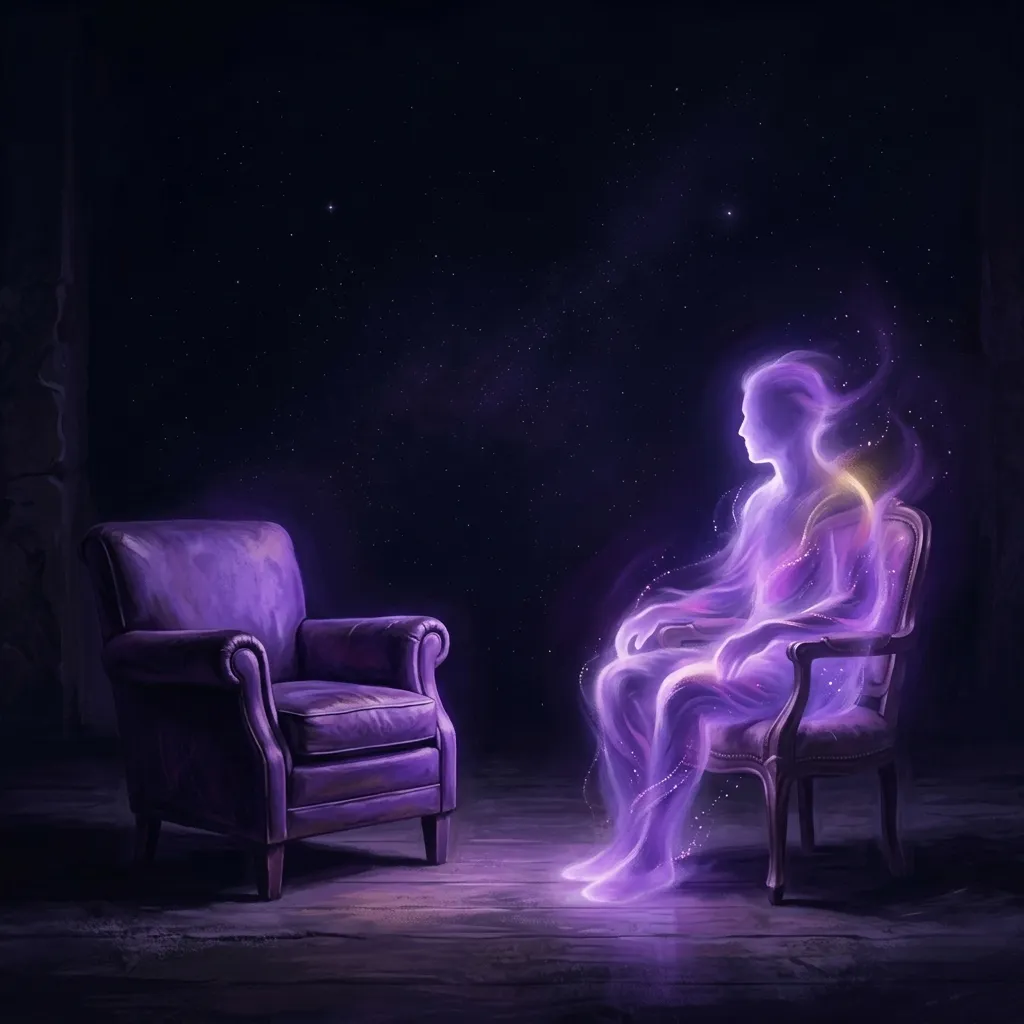
Behind every fear there's a story. The wound (sometimes called the "ghost") is the past event that marked the character and that shapes how they act in the present. The one who was betrayed won't let themselves be loved; the one who lost someone by trusting no longer trusts. You don't need to tell the wound on the first page, or even tell it in full: it's enough that you know it, because it determines every important decision they make.
3. Contradictions: what makes them human
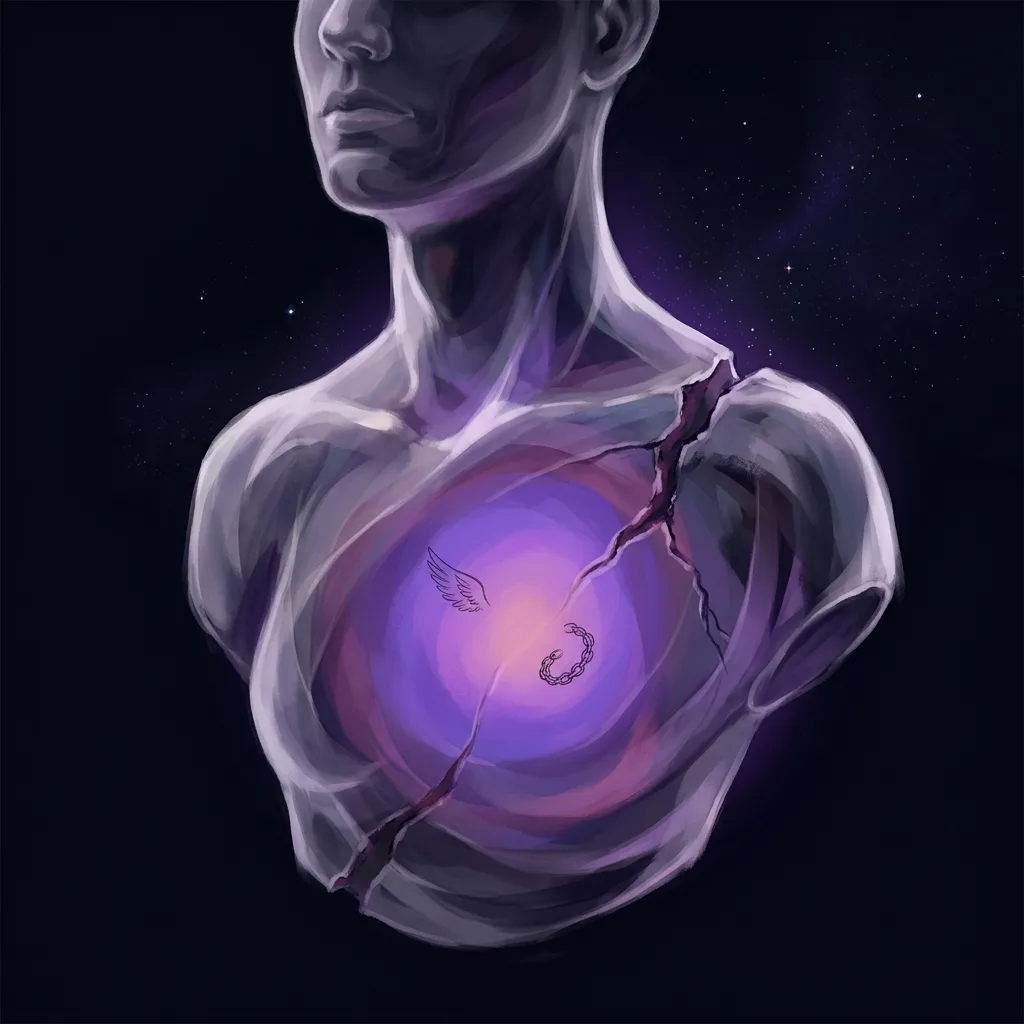
Real people are a bundle of contradictions: the brave one who fears intimacy, the cynic who cries at the movies, the honest one who lies to protect themselves. Those cracks are exactly what make a character believable. A perfect protagonist, with no flaws or doubts, is boring and no one relates to them. Give your character:
- A real flaw that complicates their life and costs them decisions.
- A contradiction between what they say and what they do.
- A blind spot — something about themselves they can't see.
Readers don't fall in love with perfect characters. They fall in love with characters who struggle, doubt, and sometimes get it wrong — like them.
4. Give each one a voice of their own
A well-built character also sounds different. How they speak, what verbal tics they use, what they're afraid to say out loud: all of that sets them apart. If you cover the dialogue tags and still know who's speaking, you're on the right track. Voice is where the character becomes audible, which is why it's worth reading our guide on how to write believable dialogue as soon as you're clear on their foundations.

5. The arc: how the character changes
A memorable character doesn't end the novel the same way they started it. The arc is the inner journey that takes them from one state to another: from fear to courage, from selfishness to giving, from lies to truth. That change is earned through structure: each obstacle forces them to confront their wound until, at the climax, they make the decision the character at the start could never have made. Not every character changes (some drag the world down with them), but every one must be tested.
6. The antagonist is also the hero of their own story
The most common mistake with villains is making them evil just because. A memorable antagonist has their own desire, their own wound, and their own logic: from their point of view, they're right. The more understandable (not justifiable) their motivation, the more frightening and human they become. Give the antagonist the same care as the protagonist and your conflict will level up. If your story takes place in a world of its own, your worldbuilding also shapes who your characters are and what drives them.
How to build your characters in Scriptum
Keeping ten characters consistent over months of writing is impossible from memory. Scriptum's World Bible lets you create a sheet for each one (their desire, their wound, their voice, their relationships) and keep it at hand while you write. And since Aura AI knows those sheets, its suggestions respect who each character is instead of flattening them into one. That way, the character you introduced in chapter 2 is still the same one in chapter 40.
Common mistakes when creating characters
- The perfect character. With no flaws or doubts, they create no identification and no tension.
- The soulless sheet. Three pages of data (height, favorite food, pet) and no desire or wound. Data isn't character.
- The stereotype. The wise old man, the tough girl, the cackling villain. Give them a contradiction and they stop being a cliché.
- Too many characters. If the reader has to keep a list, there are names to spare. Merge the secondary ones that serve the same function.
- The character who never changes or is tested. If the story doesn't force them to face themselves, they're decoration.
Frequently asked questions
What makes a character memorable?
A memorable character has a desire that drives them, a wound from the past that shapes them, and contradictions that make them human. They aren't defined by their looks but by what they want, what they fear, and the hard choices they make under pressure. The ability to change over the course of the story is what fixes them in the reader's memory.
How do I create a character's backstory?
Define their desire (what they consciously want), their need (what they truly lack, even if they don't know it), and their wound (the past event that explains their fears). You don't need to write their whole biography: just what affects the story. The rest can stay below the surface, holding the character up without appearing on the page.
How many characters should a novel have?
As many as the story needs and not one more. A novel usually revolves around a protagonist, an antagonist, and a handful of meaningful secondary characters. Too many characters dilute attention and confuse the reader. If two secondary characters serve the same function, merge them into one.
How do I keep my characters from being flat or stereotypes?
Give them contradictions and a real flaw. A flat character wants something and nothing inside stops them; a rounded one also struggles with themselves. Avoid the perfect character: flaws, doubts, and wrong choices are what make a character human and believable.
Can AI help me create characters?
Yes, as a copilot. AI can help you explore a character's backstory, suggest contradictions, or spot inconsistencies between what they say and what they do. It works best when it knows your character sheets. The creative decisions are still yours; AI explores and reviews, it doesn't decide.
Conclusion: characters who breathe
Creating an unforgettable character isn't filling in a data sheet: it's giving them a desire that drives them, a wound that explains them, and contradictions that make them one of us. When a character wants something with all their might, truly fears something, and is capable of getting it wrong, they stop being ink on paper and start living in the reader's head long after the book is closed. And that's the magic that makes someone recommend your novel.
If you want a tool that stores all your characters, keeps them consistent, and puts them within reach of an AI that writes with you, that's exactly what Scriptum's World Bible does. To dig deeper into the theory, you can also check the entry on the fictional character on Wikipedia.