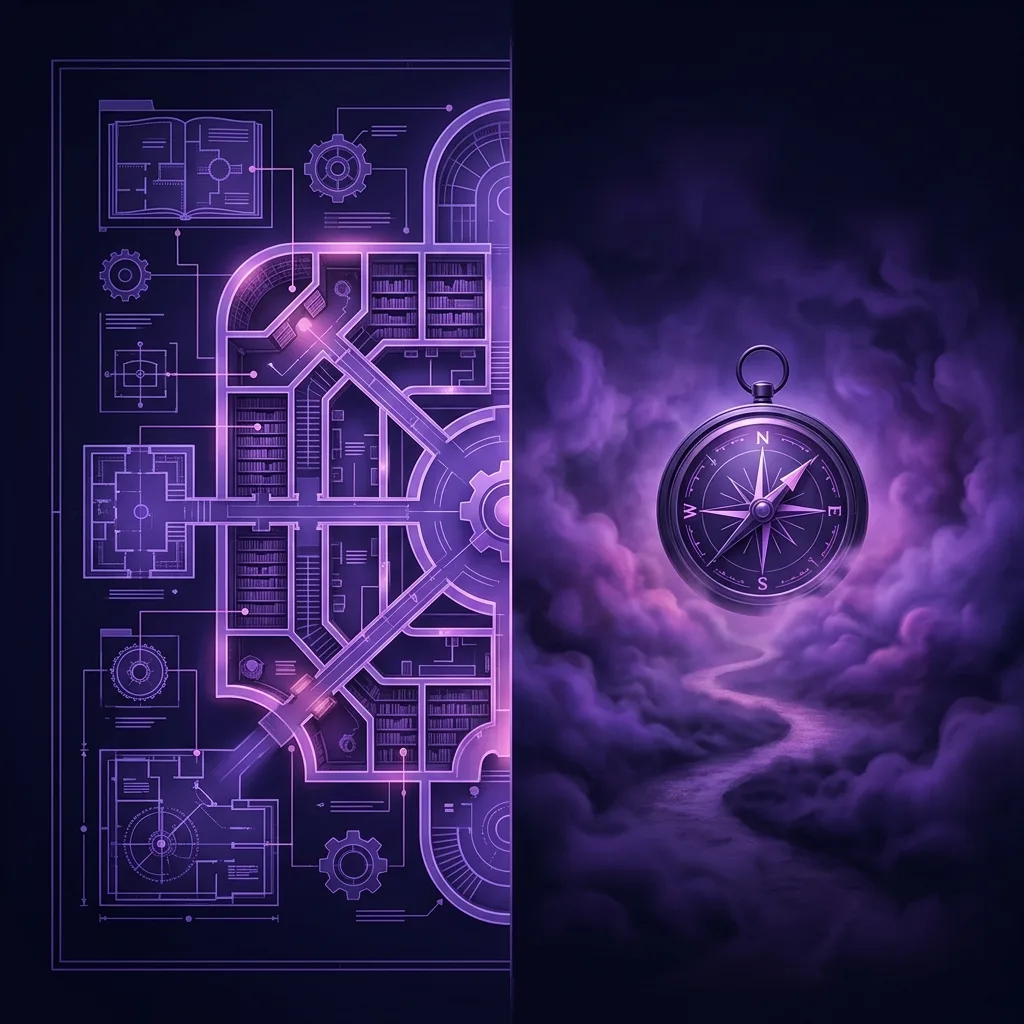
A plotter (or outliner) plans their novel before writing it; a pantser (or discovery writer) finds it by improvising as they go. Neither is better: the plotter wins on structure and coherence, the pantser on freshness and surprise. Most novelists are hybrids —the so-called plantsers—. In this guide you'll see how each one works, their strengths and weaknesses, the in-between approaches, and how to discover which one fits you.
Before writing the first chapter, every novelist faces the same crossroads: do I plan everything, or do I dive in and discover the story as I go? That decision separates the two great profiles of the craft —the plotter and the pantser— and shapes what your writing process will be like, how much rewriting awaits you, and even how much you enjoy the journey. The good news is that it's not a lifelong choice or a closed label: it's a spectrum, and almost all of us move along it. If you're still shaping your project, it helps to keep our guide on how to write a novel close by while you decide on your method.
What is a plotter and what is a pantser?
A plotter is the writer who plans their novel before drafting it: they map out the structure, the turning points and the character arcs, and often prepare a chapter-by-chapter outline. They're also called outliners, because they need to see the whole territory before setting off.
A pantser is the exact opposite: they improvise and discover the story while writing it. The term comes from the English phrase «to fly by the seat of your pants» (to go by intuition). They're also known as discovery writers: they don't have the map, but they do have a direction, and they find their way scene by scene.
The plotter (outliner): how they work
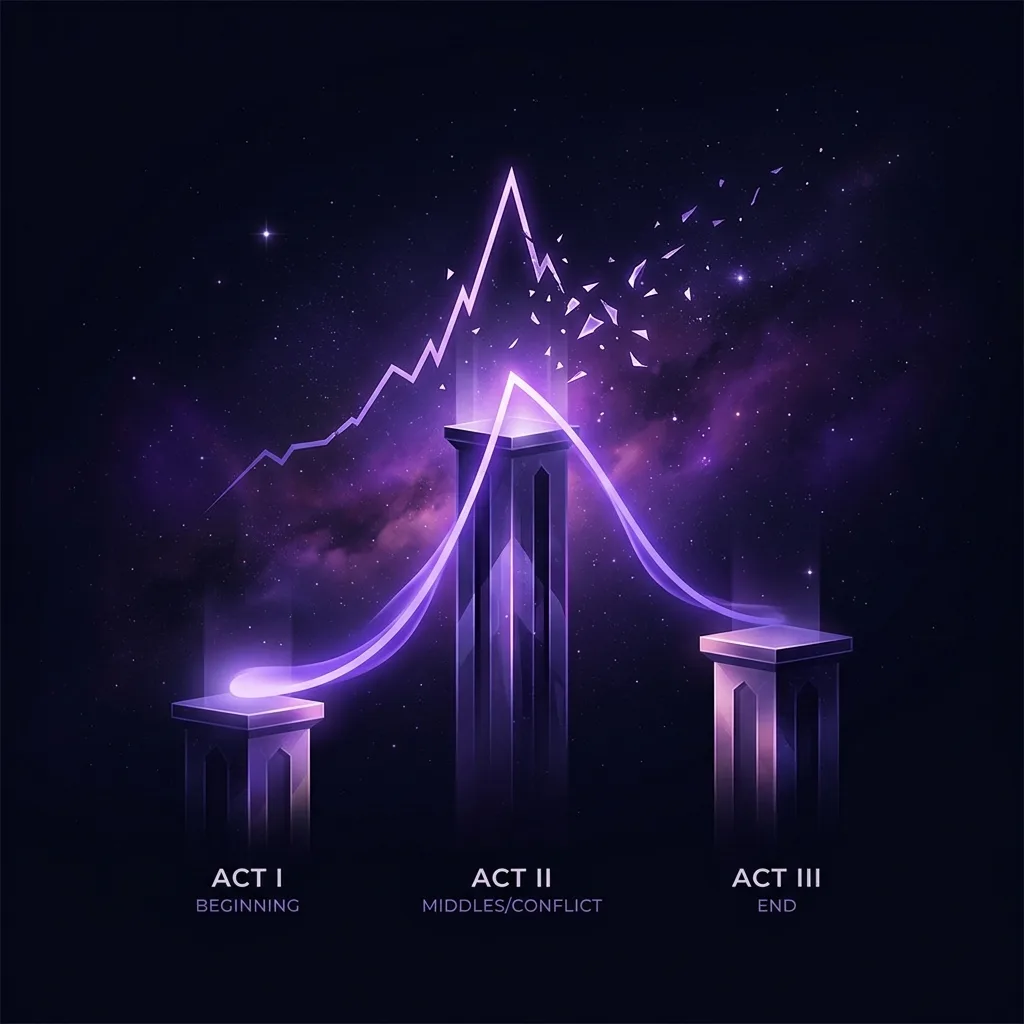
The plotter spends a prep phase before writing: they define the premise, the structure (many start from the three-act structure), the major turns and the ending. They usually lean on outlines, character sheets and scene maps. By the time they start drafting, they already know where they're going.
Strengths: a cleaner, more coherent first draft, fewer plot holes and, above all, a much lower chance of getting stuck on the dreaded "what happens now?". For stories with complex plots, mysteries or many pieces to fit together, planning saves months of rewriting.
Weaknesses: the risk of rigidity (forcing the story to fit the outline even when it's asking for something else) and analysis paralysis, that trap of planning forever to avoid facing the blank page. And knowing everything in advance can drain the thrill of discovery.
The plotter has a whole arsenal for drawing that map. Some use a chapter-by-chapter outline; others, structured methods like the «Save the Cat» beat sheet, the hero's journey or the snowflake method, which starts from a single sentence and expands it in ever more detailed circles. You don't have to use them all: the key is reaching the level of detail at which YOU feel confident to start. There are millimetre-precise plotters and plotters who only need four streetlights; both plan, only the resolution of the map changes.
The pantser (discovery writer): how they work
The pantser starts with little: an idea, a character, an image or a strong opening line, and begins writing to find out what happens. They trust the story to reveal itself along the way. Stephen King, one of its best-known defenders, describes plot as something you unearth, like a fossil, rather than build.
Strengths: freshness, spontaneity and characters that come alive because the author discovers them at the same time as the reader. The best surprises usually come from here, because not even the writer saw them coming.
Weaknesses: more rewriting (the first draft is really a discovery), dead ends, plot holes and a higher risk of abandoning the novel halfway when you don't know how to continue. If that point of getting stuck sounds familiar, our guide on overcoming writer's block will help.
But pantser doesn't mean flying blind. Those who master the method carry a compass, not a map: they know their characters, sense the ending even if they don't know the road, and write with what King calls «the headlights of a car», seeing only the stretch ahead. Many discover their structure backwards: they improvise the first draft and, in revision, find and reinforce the shape the story was asking for. Planning exists; it just arrives later.
Comparison table: plotter vs pantser
| Aspect | Plotter (outliner) | Pantser (discovery) |
|---|---|---|
| Before writing | Plans structure and outline | Starts with an idea or impulse |
| First draft | Cleaner and more coherent | Freer, but uneven |
| Rewriting | Less | More |
| Risk of getting stuck | Low (knows what's next) | High (can stall) |
| Freshness and surprise | Medium | Maximum |
| Plot coherence | High by default | Achieved in revision |
| Best for | Mystery, thriller, sagas, complex fantasy | Voice, characters, literary, short fiction |
The hybrids: plantser
Here's the secret that rarely gets told: almost no one is a pure plotter or pantser. Most novelists live somewhere in the middle of the spectrum, and that ground has its own names:
- Plantser (a blend of plotter and pantser): they plan the essentials —the ending, the major turning points, who the characters are— and leave room to improvise the rest. While writing, they sometimes "rebel" against their own outline, and let it go.
- Loose outliner: they plan in broad strokes, without the detail, so they have a clear direction but also space to discover new threads while writing.
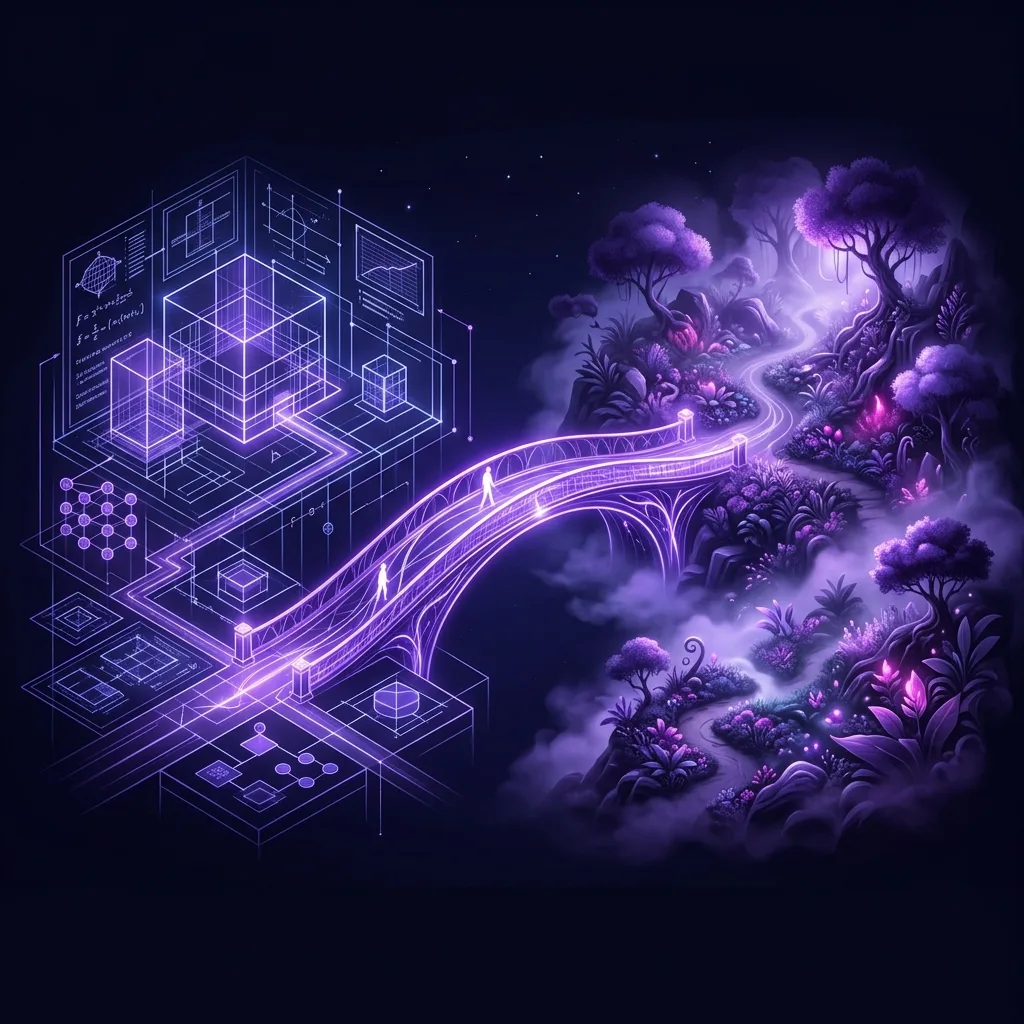
This mixed approach combines the best of both worlds: the safety net of a plan so you don't get lost, and the air for the story to breathe and surprise you. If you're unsure where to start, start here.
Famous writers: plotters or pantsers?
No method has a monopoly on masterpieces, and the names prove it. In the gardener (pantser) camp are George R. R. Martin —who writes A Song of Ice and Fire discovering his characters as he goes—, Stephen King, who «unearths» the story like a fossil, and Margaret Atwood. In the architect (plotter) camp are Brandon Sanderson, famous for his millimetre-planned magic systems; J. K. Rowling, who drew up tables with the arc of each Harry Potter book; or J. R. R. Tolkien, who built languages and maps before plots. And in between, almost everyone else. The lesson isn't to imitate your favourite author but to understand that method is a personal tool: what's left for the reader is the finished book, not how it was cooked.
Plotter or pantser by genre?
Genre doesn't force you, but it nudges you. Stories with complex machinery —mystery, thriller, epic fantasy with many threads, or a whodunit where every clue must fit— reward the plotter: it's very hard to plant fair clues while improvising. By contrast, literary fiction, character novels and short stories, where the strength lies in voice and inner discovery, tend to bloom with the compass. It's not an iron rule —there are thrillers written off the cuff and intimate novels planned to the detail—, but if in doubt, let your genre tip the scales a little. And remember the hybrids' trick: you can plot the plot and discover the characters, or exactly the other way round.
Which one suits you? Find your method
There's no best method in the abstract; there's a best one for you and for this novel. These four questions point you in the right direction:
- Do you abandon novels halfway? If you keep running out of "what next," you'll benefit from planning more.
- Does planning kill your urge to write? If finishing the outline makes you feel you've "already told it," improvise more.
- Does your story have a mystery or a tightly interwoven plot? The more complex the machinery, the more the map pays off.
- Is your thing voice and characters? If the strength is in how it's told, give the compass room.
And a piece of craft advice: experiment. Write one chapter planned in detail and another off the cuff. How you enjoy it (and how you make progress) will tell you more than any theory.
How to outline without killing creativity
The pantser's fear of planning has a real root: an outline that's too rigid can switch off the drive. The solution is a flexible outline: lock down only the milestones you truly need —the ending, the two or three major turns, the central conflict— and leave the rest blank to discover. It's a map with uncharted areas, not a closed route.
That's where a good tool makes the difference. Scriptum's Planning Board lets you sketch the structure and move scenes around like cards without committing to a fixed plan, and the immersive editor keeps you in the writing when it's time to improvise. You plan just enough and write freely: the best of both methods in the same place.
If you want a concrete recipe for combining both methods in the same novel, try this: plan the skeleton, improvise the flesh. Write down only five things —the inciting incident, the two central turning points, the climax's crisis and who comes out changed— and treat everything else as free territory. Before each session, spend two minutes jotting down what you think will happen in the scene: it gives you direction without a straitjacket, and if the scene «rebels» and heads elsewhere, you let it run and adjust the skeleton afterwards. That's how most professionals work: with enough plan not to get lost and enough air to surprise themselves.
Frequently asked questions
What is a pantser?
A pantser (also called a discovery writer) is someone who writes their novel with no prior plan, discovering the story as they draft it. The term comes from the expression «to fly by the seat of your pants», meaning to go by intuition. They start from an idea, a character or an opening image and move forward exploring, trusting that the plot will reveal itself during the writing. Their great strength is freshness; their risk is more rewriting and dead ends.
What does it mean to be a plotter?
A plotter (also called an outliner) plans their novel before writing it: they define the structure, the turning points, the character arcs and, often, a chapter-by-chapter outline. They need to know where they're going before drafting the first scene. Their strength is coherence and a cleaner first draft that needs less rewriting; their risk is rigidity and paralysis from over-planning.
Can you be both a plotter and a pantser?
Yes, and in fact it's the most common case. That middle ground is called plantser: you plan the essentials —the ending, the major turning points, who your characters are— and leave room to improvise the rest as you write. Most professional novelists work somewhere on the spectrum between total planning and pure improvisation, adjusting the dose to the project.
What method do famous writers use?
All kinds. George R. R. Martin popularised the metaphor of «architects» (who plan everything before building) and «gardeners» (who plant a seed and let it grow), and considers himself a gardener. Stephen King champions discovery writing. On the planning side, authors like J. K. Rowling or Brandon Sanderson work from detailed outlines. The takeaway is clear: there's no single correct method, only the one that works for each author.
Is it better to outline or improvise a novel?
Neither is better in the abstract: it depends on how you think and on the project. Outlining reduces rewriting and the risk of quitting halfway, but it can drain freshness. Improvising brings life and surprise, but usually demands more revision. If you abandon novels midway because you don't know how to continue, you'll benefit from outlining more; if planning kills your urge to write, improvise more. For almost everyone, the ideal is a hybrid.
Do pantsers plan nothing at all?
Almost none improvise one hundred percent. Most pantsers carry a compass: they know their characters, sense the ending or the theme, and have a handful of scenes they want to write in their head. What they avoid is the detailed outline beforehand. Many also plan «backwards»: they improvise the first draft and discover the structure in revision. So it's not plan or don't plan, but when and how much.
Which method is faster for finishing a novel?
It depends where you put the work. The plotter invests time before writing, but their first draft usually needs less rewriting, so the total can be faster and more predictable. The pantser writes sooner but often spends more time rewriting and patching holes. For those who tend to quit halfway, planning more is usually the fastest road to the word «The End», because it reduces the risk of stalling with no way out.
Conclusion: the best method is the one that finishes the novel
Plotter or pantser, map or compass: the question isn't which one is superior, but which one gets you to write the word "The End". The plotter gives you structure and peace of mind; the pantser, life and surprise; and the hybrid, a bit of each. Experiment, adjust the dose to the project, and don't chain yourself to a label: your method can change from one novel to the next, and even within the same one. The only thing that truly matters is that the system you choose lets you make progress and, above all, finish your novel.