To overcome writer's block with the help of artificial intelligence, use it as a copilot that breaks the inertia: have it generate an imperfect draft for you to react to, propose ideas when you go blank, and remind you of your story's context. The key is that you direct the AI, not the other way around, so you get unstuck without losing your voice.
You know the scene. The cursor blinks on the blank page, you've been staring at it for twenty minutes, and the sentence you had clear in your head is nowhere to be found. Writer's block doesn't distinguish between beginners and authors with several published novels: it comes for all of us. The good news is that in 2026 you have a tool your role models didn't, and used well it can pull you out of the rut in minutes. The bad news, let's be honest, is that misused it can turn your novel into something that doesn't sound like you. In this guide you'll see how to harness the former and avoid the latter. And if you want to place block within the complete process of writing a book, start with our guide on how to write a novel, from idea to publication.
What is writer's block and why does it happen?
Writer's block is the temporary inability to make progress on a text despite wanting to. It's not laziness or lack of talent: it's a recognized phenomenon ever since the psychiatrist Edmund Bergler coined the term writer's block in 1947. Understanding that it has concrete causes, and not a creative curse, is the first step to solving it.
The most common ones are four:
- Perfectionism. The fear that the first sentence won't measure up paralyzes you before you write it.
- Lack of a plan. You don't know what happens after this scene, so you write none.
- Fatigue or saturation. You've put in too many hours, too many days, and the creative well is dry.
- Losing the thread. In a long novel you forget a detail, doubt the consistency, and stop so you don't make a mistake.
Notice something important: each of these causes has a different solution. That's why the generic "just write" advice rarely works. What you need is to attack the specific cause that has you stuck today. And this is where artificial intelligence can help you in very specific ways.
Can AI really help you get unstuck?
Yes, but it's worth understanding how, because the honest answer has nuances. AI doesn't have your vision, it doesn't know the ending you dream of for your story, and it doesn't feel what your characters feel. What it does exceptionally well is break the inertia.
Block feeds on the blank page. The blank page imposes a huge decision — "create something from nothing" — and the brain shuts down. AI removes that blank page: it gives you something, however imperfect, to react to. And reacting is much easier than creating from scratch. Fixing a weak paragraph, saying "not this, but this other thing yes", rewriting a suggestion in your own words… all of that unblocks you, because you're already writing without having noticed.
How to use AI to overcome block: 5 methods that work
These five methods are ordered from least to most involvement. Start with the one that best fits the cause that has you stuck today.
1. Beat the blank page with an imperfect first draft
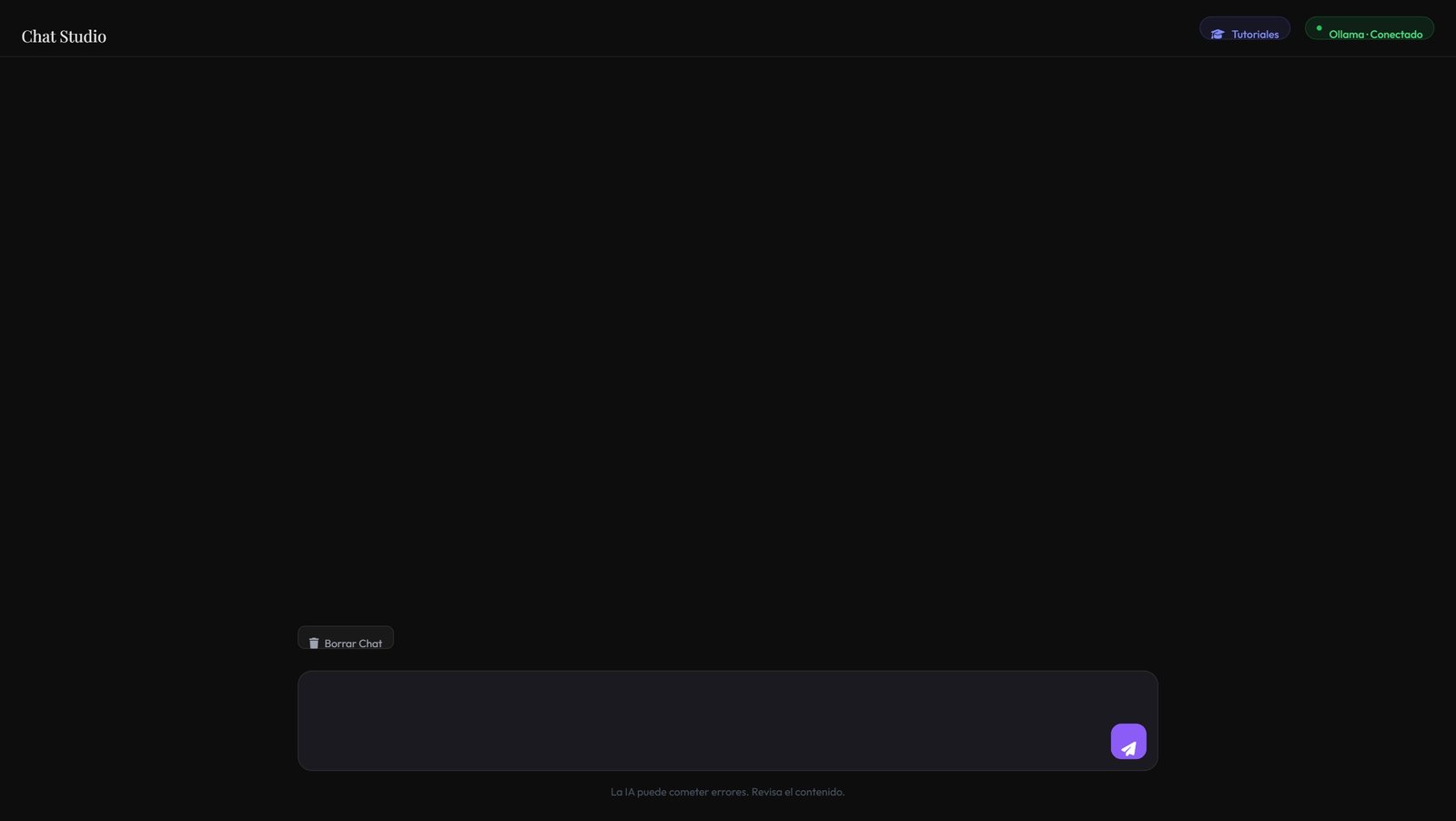
Ask the AI to write the scene you can't get out. Not to use it as is, but to have a starting point. You'll see that the moment you read its version, your author's instinct wakes up: "no, she wouldn't say that", "this part is fine", "it needs more tension here". Congratulations: you're already writing. The imperfect draft is a springboard, not a destination.
2. Brainstorm ideas and plot twists
When the block comes from "I don't know what happens next", turn the AI into your brainstorming room. Ask it for ten possible twists, five motivations for your antagonist to act, or three different ways to end the chapter. Most will be discardable, and that's fine, because among ten mediocre ideas the spark you couldn't see usually hides. The value isn't in the AI getting it right, but in it giving you back the movement.
3. Unstick the "what comes next" with assisted planning
If you often get blocked halfway through the story, the problem is almost never inspiration: it's structure. Use the AI to outline the next chapters, identify which arc has stalled, or detect the exact point where the tension drops. Having a map, even a provisional one, makes sitting down to write stop being a leap into the void.
4. Rewrite the scene that has you stuck
Sometimes you're not blocked from not advancing, but because there's a scene you know doesn't work and it won't let you continue. Pass it to the AI and ask for three versions with different approaches: a tenser one, one from another point of view, a shorter one. Comparing alternatives teaches you what yours was missing, and often the solution isn't any of the three, but the fourth one you think of while reading them.
5. Recover your story's context
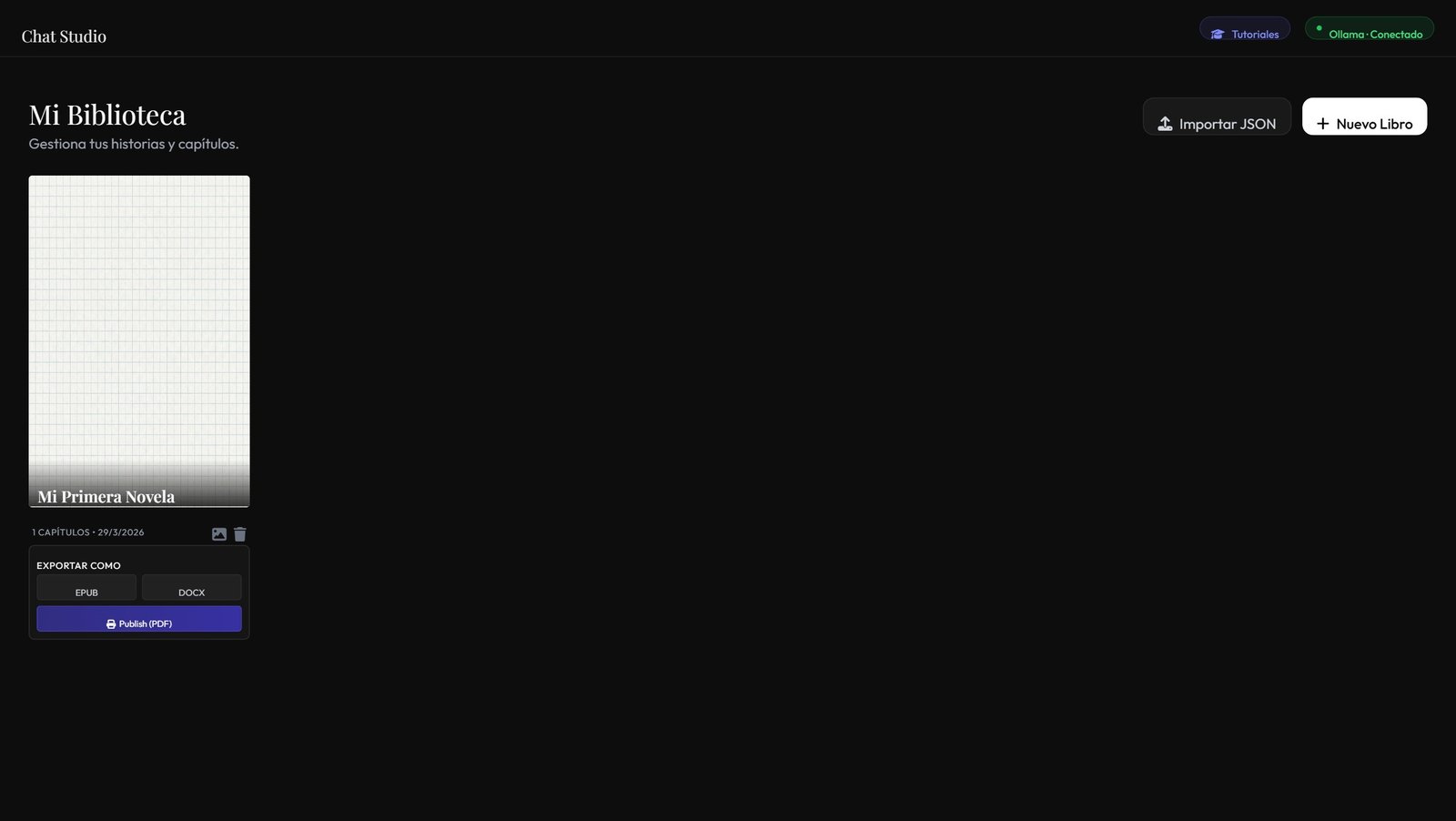
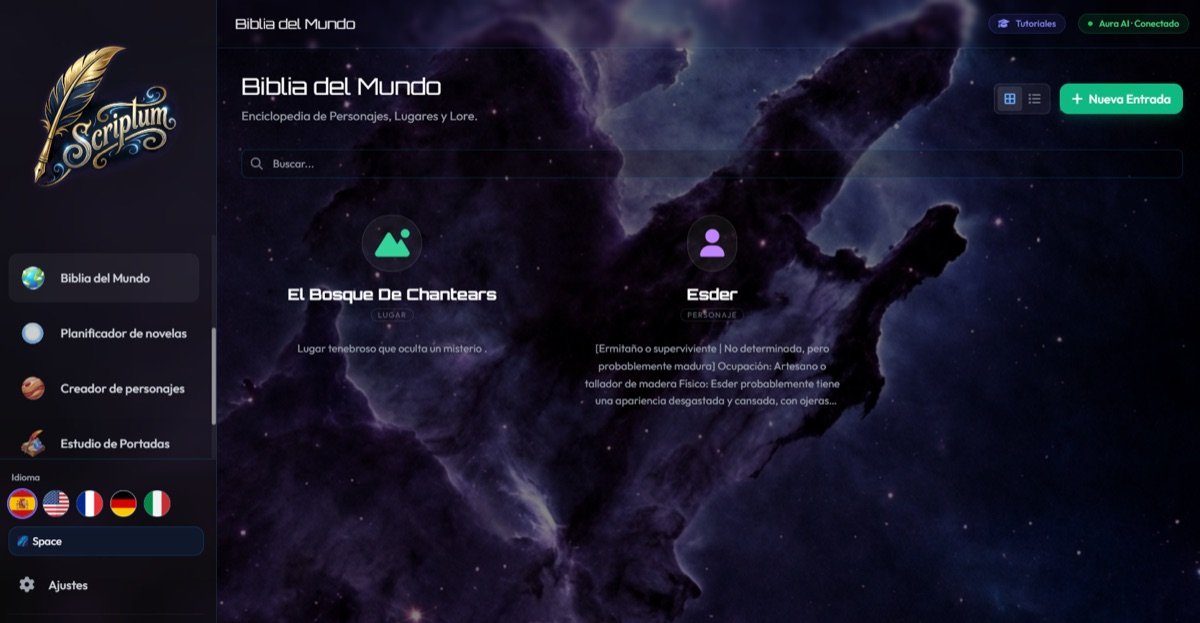
In a 90,000-word novel it's normal to forget a minor character's eye color or what a character promised in chapter 4. That doubt slows the writing. An AI that knows your World Bible (your characters, places, and rules) resolves those queries instantly and keeps you in the flow. Here's the big difference between a generic AI, which doesn't remember your story, and an integrated assistant that does.
How NOT to lose your voice when writing with AI
This is the real risk, and that's why we give it its own section. A novel written by an AI sounds like AI: correct, flat, and soulless. So that doesn't happen to you, follow four rules:
- Write first, ask for help after. Let the AI react to your text, not you to its. Your voice rules.
- Use it to explore, not to copy. Its responses are raw material, never the final text that goes into your manuscript.
- Always rewrite in your own words. If you like an idea, make it yours line by line. What's copied and pasted shows.
- Know your style. The clearer your tone, the easier it is to discard what doesn't sound like you.
AI is an excellent copilot and a terrible pilot. You hold the wheel; it warns you about the bumps.
Classic methods against block (that still work)
Technology doesn't retire what has always worked. Combine the AI methods with these timeless ones and you'll have a complete system:
- Freewriting. Write nonstop for ten minutes, correcting nothing. The goal is movement, not quality.
- Lower the bar. Give yourself permission to write badly. You'll fix it later; first you need something to fix.
- Routine and environment. Same time, same place. The habit tells your brain "now it's time to write" without negotiating.
- Change scenes. If one part stops you, jump to another you feel like writing. You don't have to write in order.
- Rest for real. Sometimes block is exhaustion in disguise. Walking or sleeping solves more than it seems.

Frequently asked questions
Does artificial intelligence write the novel for me?
No. AI is a copilot that breaks the inertia and proposes material for you to react to, but the creative decisions, the voice, and the direction of the story are yours. It works best when you direct it, not when you expect it to decide for you.
Will I lose my style if I use AI to write?
Not necessarily. The key is to write first and use AI to explore options, not to copy. If you always rewrite in your own words and use it as a starting point rather than the final text, your style stays intact.
Is it cheating to use AI to overcome writer's block?
No more than using a thesaurus, an editor, or a brainstorming partner. AI is a tool; the creative credit still belongs to whoever decides what to keep, what to change, and how to tell the story.
Which AI tool is best for writers?
The best ones for fiction are those that know your story's context. An assistant built into your editor, with access to your characters and your world, gives far more coherent results than a generic AI that doesn't remember your novel between sessions.
Does AI help overcome block in the long term?
Yes, if you combine it with good habits. AI removes the friction of getting started, but consistency, routine, and lowering your self-demand are what keep the block away for good.
Conclusion: AI doesn't write for you, it writes with you
Writer's block isn't cured with willpower, it's dismantled by understanding its cause and breaking the inertia. Artificial intelligence is the most powerful lever you've ever had for that second step: it turns the blank page into a draft you can improve, into a list of ideas you can filter, into a context you don't have to remember by heart. But the wheel is yours. Direct it, don't follow it, and your next writing session will be much shorter than you feared.
If you want an AI that truly knows your story (your characters, your world, your tone) and lives inside your editor instead of in another tab, that's exactly what Aura AI in Scriptum does. To dig deeper into the origin of the phenomenon, you can also check the entry on writer's block on Wikipedia.