To write a thriller you need one thing above all else: tension. It is not enough for things to happen — the reader must fear what is about to happen. That is built through a clear threat, a protagonist the reader cares about, ever-rising stakes, a clock that never stops, and twists nobody sees coming that feel, on reflection, completely inevitable. In this guide I break down the ingredients, the structure, and the mistakes that kill suspense, with examples you can apply to your novel today.
Some novels get read. Others get devoured. Thrillers belong to the second category: readers turn pages at one in the morning telling themselves "just one more chapter." Getting that effect is not magic or luck — it is craft. And the good news is that craft can be learned. If you have not yet nailed the fundamentals of fiction writing, start with our guide on how to write a novel; here we go straight to the specifics of the genre that hooks readers better than any other.
What is a thriller (and how it differs from mystery)
A thriller is a novel built to generate tension and anticipatory dread: the reader fears what is going to happen and needs to keep reading to find out whether disaster is averted. That is its essence, and it is worth keeping crystal clear before you write the first sentence.
Many people confuse thrillers with mysteries, and although they overlap, the emotional engine is different. In a mystery, the reader looks backward: a crime has already been committed and the question is "who did it?" In a thriller, the reader looks forward: a threat is already in motion and the question is "will the hero stop it in time?" Mystery plays with curiosity; thriller plays with fear. That is why a thriller can reveal the villain in chapter one and remain relentlessly gripping — what matters is not who, but whether the hero will make it.
The ingredients of a gripping thriller
A great thriller is cooked with four ingredients. Miss one and the suspense deflates. Let us go through them one by one.
1. Tension and suspense (the bomb under the table)
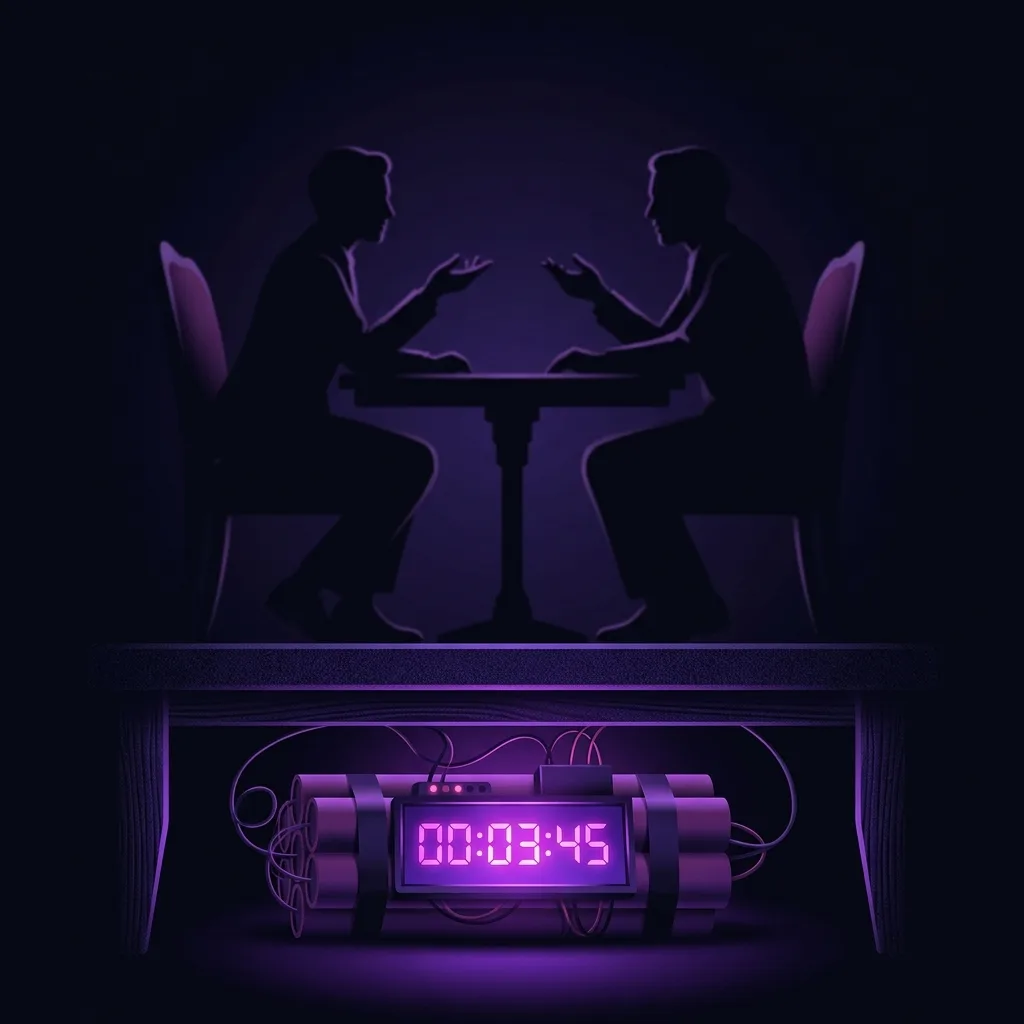
Alfred Hitchcock explained it better than anyone. If two people are chatting at a table and a bomb suddenly explodes, you get ten seconds of shock. But if you show the audience the bomb under the table with a timer ticking, and the characters keep talking without knowing, you turn that same scene into five minutes of unbearable dread. That is the difference between surprise and suspense: suspense gives the reader information the characters do not have, and lets them suffer.
Mastering show, don't tell is a huge help here: do not tell readers there is tension — make them feel it through concrete details (a trembling hand, a phone that does not ring, a door left slightly ajar).
2. Pacing: short chapters and hooks
The thriller is the genre of pace. Short chapters, scenes that start late and end early, and a hook at the end of every chapter that forces the reader to start the next. When readers reach the final period of a chapter, they should find an open question, a new threat, or a revelation that leaves them breathless. Never close on calm — close on the edge.
3. What is at stake (and the clock)
Without something important on the line, there is no tension. Readers must feel that if the protagonist fails, the consequences will be catastrophic: a life, many lives, their family, their freedom. To tighten the screws even further, add a clock — a countdown that makes every decision feel urgent. "You have 24 hours" turns any scene into a race.
4. An antagonist who is truly a match
A thriller is only as good as its villain. The more capable, intelligent, and motivated the antagonist, the greater the tension — because the threat becomes credible. A hero only shines when facing a rival who could genuinely win. If you want to build one that sends chills down readers' spines, we break it all down in how to create a memorable villain.
The structure of a thriller
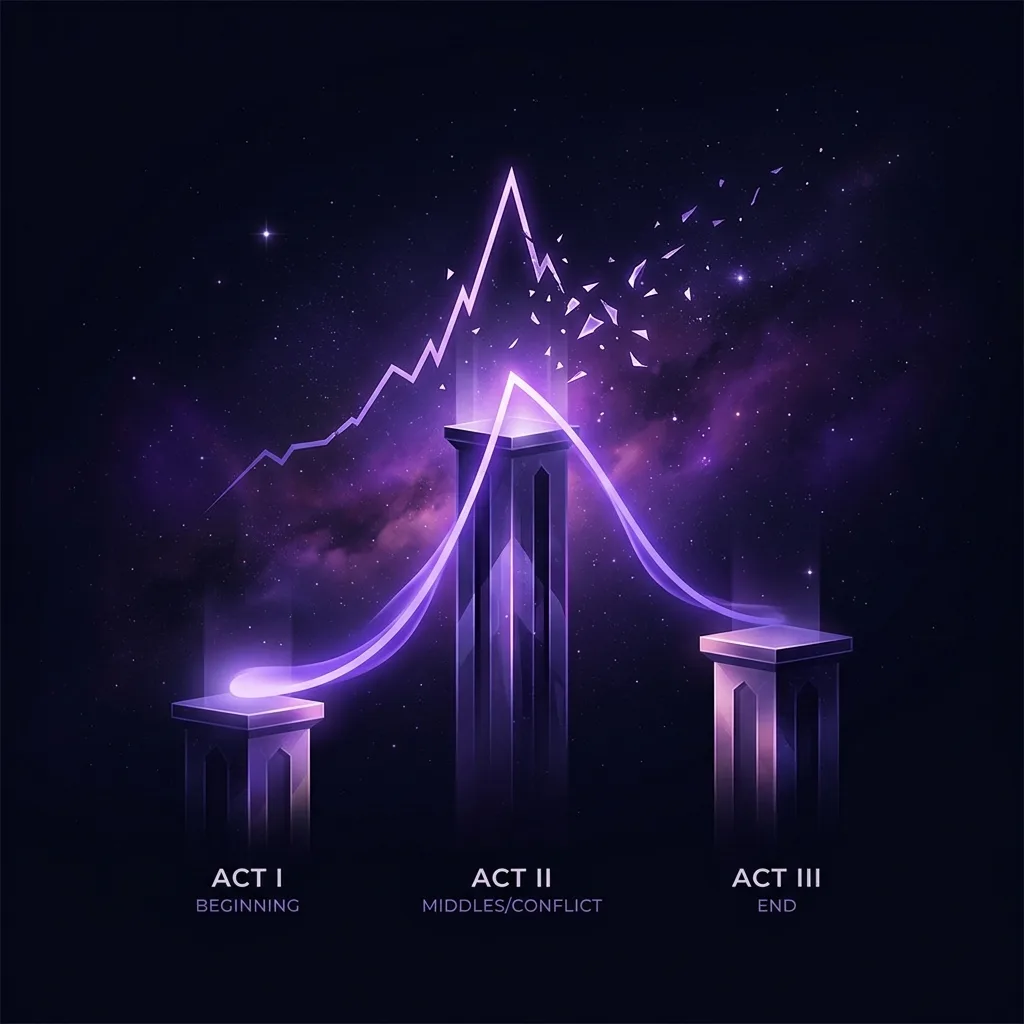
Most thrillers use the three-act structure, but with the accelerator floored. The difference from other genres lies in the pacing and the placement of twists:
- Early inciting incident. A thriller cannot afford a slow start. The threat appears early — in the first pages — to hook readers immediately.
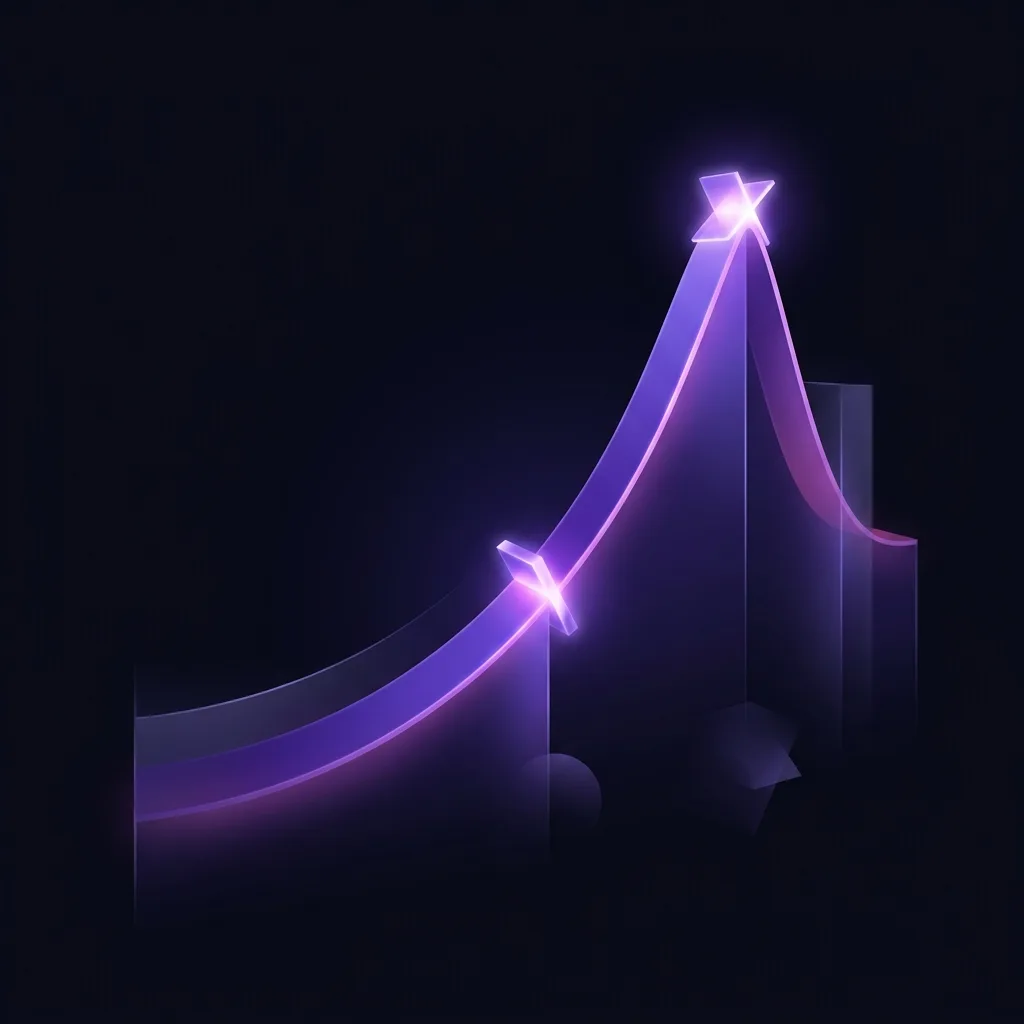
- Constant escalation. In the second act, every solution creates a bigger problem. Tension does not plateau: it climbs in steps.
- A midpoint that changes everything. Halfway through, a twist reshuffles the board: the protagonist discovers they were wrong, or that the danger is far greater than they thought.
- A climax of maximum tension. The final confrontation, with everything on the line and the clock at zero.
On twists, one golden rule: a great twist is both surprising and inevitable. Readers do not see it coming, but on rereading they feel the clues were there from the start. Achieving this means plotting backward: decide the final revelation first, then plant the subtle hints that justify it.
Types of thriller (and which one is yours)
"Thriller" is a vast umbrella. Choosing your subgenre helps you sharpen your tone, your pacing, and your reader's expectations:
| Subgenre | The fear it exploits | Example hook |
|---|---|---|
| Psychological thriller | Not being able to trust your own mind | What if the narrator is lying — without knowing it? |
| Crime / police thriller | A killer still on the loose | A countdown to the next murder |
| Legal thriller | The system convicting an innocent person | The trial begins and the key piece of evidence is missing |
| Political / spy thriller | A conspiracy far beyond your reach | Nobody is who they claim to be |
| Domestic thriller | The danger being inside your own home | Your partner is hiding something |
You do not have to commit to just one, but knowing which subgenre dominates your story gives you a compass for every decision you make.
Mistakes that kill suspense
I have seen promising thrillers collapse under the same flaws, time and again. Avoid these:
- Starting too slowly. If there is still no threat by chapter three, the reader is already gone. Start close to the fire.
- Dropping the tension and never recovering it. A breather is fine; a long valley is not. Every scene must move the disaster closer or push it further away.
- A twist that comes out of nowhere. If you did not plant clues, the reader feels cheated, not surprised.
- A passive protagonist. In a thriller, the hero acts, decides, and makes mistakes. If they only react, the story stalls.
- Loose threads. In this genre, an alibi that does not add up or a forgotten clue destroys credibility. Consistency is sacred.
How to keep your clues consistent
This is the real headache of the thriller. A thriller is a clockwork machine: clues planted in chapter 2 that must pay off in chapter 20, alibis that have to hold up, a timeline that cannot contradict itself. Lose one piece and the whole mechanism groans.
That is why, more than in any other genre, planning and tracking are essential. Decide whether you are an outliner or a discovery writer — it helps to read about plotter vs pantser — but in a thriller even the most free-spirited discovery writers need a clue map. This is where a writing tool lifts an enormous weight from your shoulders: in Scriptum you can map your twists and scenes on the planning board and store your suspect profiles, alibis, and clues inside your World Bible, so that Aura AI has them in view and does not contradict you as you move forward. It does not write the thriller for you, but it helps keep the clock from going out of sync.
In a thriller, readers will forgive the protagonist suffering — what they will not forgive is pieces that do not fit. Tension hooks them; coherence is what earns their trust all the way to the last page.
Recommended reads to master the thriller
There is no better way to learn how to build tension than reading those who do it best. These five titles are essential reading for any thriller writer: each one masters a different aspect of the genre, from the architecture of suspense to the construction of the final twist. Use them as technical references, not just as entertainment.
| Essential read | Author | What to learn from it |
|---|---|---|
| The Silence of the Lambs | Thomas Harris | How to build an antagonist who is both fascinating and terrifying; the psychological duel as the engine of tension. |
| Gone Girl | Gillian Flynn | The unreliable narrator taken to the extreme; how point of view can be the novel's true twist. |
| The Girl on the Train | Paula Hawkins | The multiple-voice structure for controlling information flow and keeping the reader always one step behind. |
| The Da Vinci Code | Dan Brown | The short-chapter cliffhanger as a pacing technique; how to chain revelations so the reader cannot stop. |
| The Girl with the Dragon Tattoo | Stieg Larsson | How to weave complex subplots without losing the main thread; the procedural as the backbone of tension. |
If you want to write your own thriller with a tool that keeps your clues and twists consistent chapter by chapter, take a look at what Scriptum offers.
Frequently asked questions
What is the difference between a thriller and a mystery novel?
In a mystery, the reader wants to know what happened: there is a past enigma that gets resolved at the end. In a thriller, the reader fears what is about to happen: the threat lies in the future and the protagonist races to prevent a disaster. Mystery looks backward and plays guessing games; thriller looks forward and plays with tension. Many novels blend both, but the emotional engine is different: curiosity versus anticipatory dread.
How do you create tension in a thriller?
Tension comes from three things: the reader knowing a danger exists, caring about who faces it, and not knowing when or how it will land. Hitchcock's classic trick is showing the bomb under the table: if the reader sees it and the characters do not, every second becomes unbearable. Add a clock, raise the stakes, and cut scenes at the worst possible moment. Tension is not noise or violence — it is anticipation.
What structure does a thriller follow?
Most thrillers use the three-act structure, but at an accelerated pace: an early inciting incident that launches the threat, escalating complications and twists in the second act, a midpoint that changes everything, and a climax of maximum tension. The key is pacing: short chapters, hooks at the end of each one, and twists placed so the reader never gets comfortable.
How many words does a thriller have?
A commercial thriller typically runs between 80,000 and 100,000 words. Below 70,000 it can feel thin for the genre; above 110,000 you risk diluting the pace, which is precisely what a thriller cannot afford. The exact number matters less than ensuring not a single scene is wasted: in this genre, anything that does not add tension subtracts from it.
How do you write a good plot twist?
A good twist must be both surprising and inevitable: the reader does not see it coming, but on reflection feels all the clues were there. To achieve this, plant subtle hints before the twist and play with what the reader takes for granted. The worst twist is the one that comes out of nowhere; the second worst is the one you can see coming a mile away. The balance is achieved by plotting backward from the revelation.
Do I need to plan a thriller, or can I make it up as I go?
You can draft freely, but a thriller rests on clues, alibis, and twists that must fit together precisely — and that almost always requires planning at least the key turning points and the final reveal. Many authors write the ending first and plant clues backward. If you prefer to discovery-write, brace yourself for a thorough revision: in a thriller, a loose thread is more damaging than in any other genre.
Conclusion: tension is king
Writing a thriller is, at its core, the art of controlling what the reader knows and when they know it. Give them an early threat, a protagonist they care about, something enormous at stake, and a clock that never stops. Raise the stakes chapter by chapter, cut on the edge, and save your twists for when they will hurt most. And above all, protect your consistency: tension hooks readers — but the pieces fitting perfectly together is what makes them trust you all the way to the final page.
Now it is your turn. Open your planning board, map your twists, and start planting clues. You can do it all — with everything under control — in Scriptum.