To write a romance novel you need two leads with real chemistry, obstacles that keep them apart, and a happy or hopeful ending, which the genre demands as a contract with the reader. Romance isn't about sappiness: it's about two people who transform each other by loving. The tension comes from what separates them, not what unites them, and it's sustained with subtext, desire, and the promise that, in the end, they'll make it.
Romance is the best-selling genre in the world, and also the most misunderstood by those who don't read it. It's not "lesser literature" or "sappy stories": it's fiction with precise rules and a demanding reader who knows exactly what they want. Writing romance that works requires understanding those rules as well as any bestselling author masters them. In this guide you'll see how to build tension, what the beats of romance are, and why the happy ending is non-negotiable. If you're starting from scratch, it's worth first reading the guide on how to write a novel.
The rules of the genre: the contract with the reader
First of all, the most important thing and the one most ignored: a romance novel ends with the couple together. It's what the trade calls the HEA (happily ever after) or, at the very least, the HFN (happy for now). It's not a cliché you can break to seem original: it's the promise that defines the genre. The romance reader agrees to suffer two hundred pages precisely because they trust there will be a reward at the end.
1. Chemistry and tension: desire and obstacle
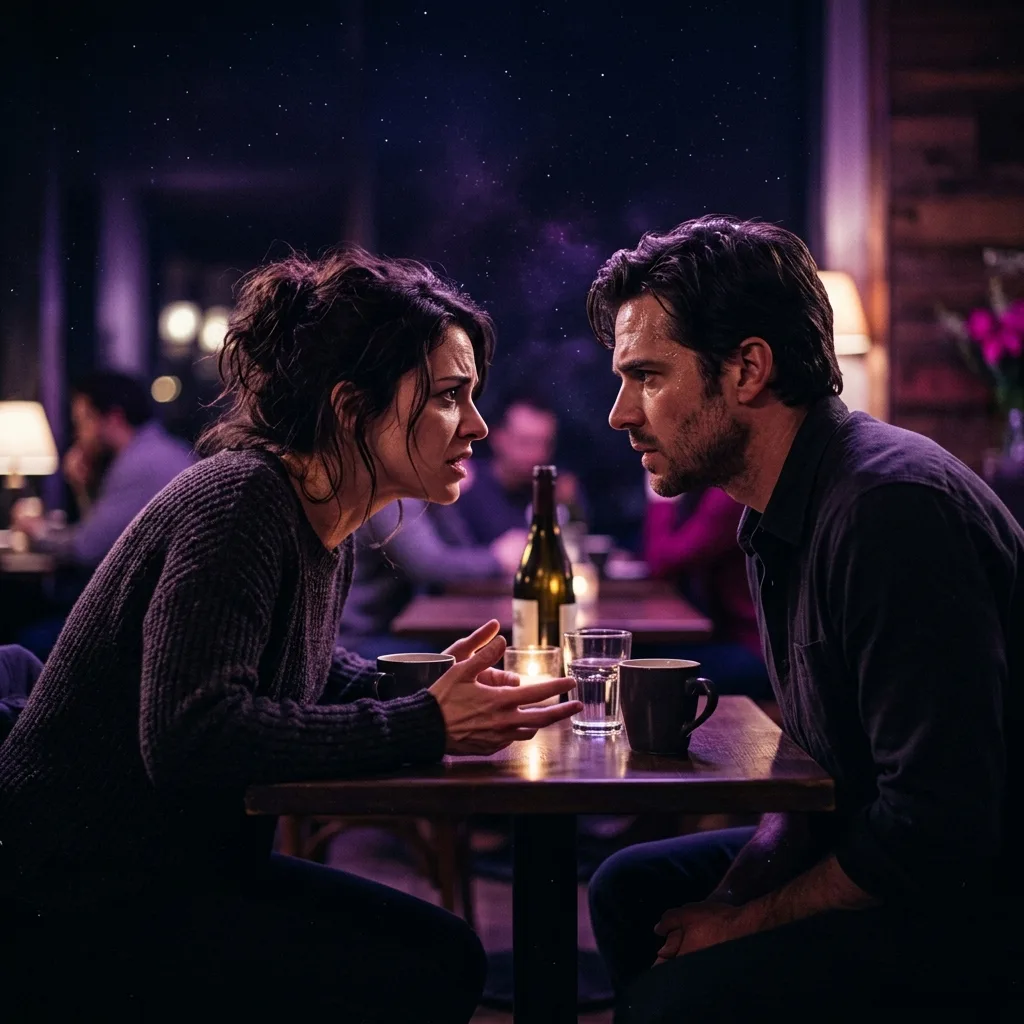
Chemistry isn't born from two characters getting along, but from them desiring each other and not being able to. Every romance novel stands on two forces in a tug-of-war: a powerful reason for them to be together and an equally powerful reason why they can't be yet. That obstacle is the heart of the book.
- The external obstacle. The circumstances: they live in different cities, they're professional rivals, one is about to marry someone else. It sets the plot in motion.
- The internal obstacle. The wounds and fears: the one who was abandoned and won't let themselves be loved, the one who mistakes control for love. This is what gives depth.
The best romance novels work both at once. And the tension, that engine that keeps the reader up at three in the morning, lives in the distance between what the leads feel and what they allow themselves to say.
2. The two leads: arcs that cross
In romance there isn't one protagonist: there are two, and both need their own arc. Each one enters with a wound, and love is what forces them to confront it. He can't be with her until he overcomes his fear of commitment; she can't give herself until she learns to trust. Romance is the story of two people who heal each other. That's why it's worth building them with the same care: review how to create unforgettable characters and give each one their desire, their wound, and their voice.
That's also why romance is often written in alternating point of view: chapters from inside her head, chapters from inside his. The reader sees what each one feels and holds back, and that information the characters don't share with each other is pure tension.
3. The beats of romance: the structure of getting closer
Romance has a structure so recognizable it's almost a score. It's not a straitjacket, but knowing it tells you whether your story breathes where it should:
- The meeting. The moment they meet (or meet again). The first spark, or the first clash.
- Getting closer. The attraction grows through obstacles. Each scene brings them a little closer and complicates things a little more.
- The point of no return. Around the middle, something truly unites them (a kiss, a confession) and there's no emotional going back.
- The dark moment. The crisis: the internal wound erupts, everything breaks, and it seems impossible they'll end up together. It's mandatory and it should hurt.
- The grand gesture and the reconciliation. One of them grows, faces their wound, and fights for the other. The HEA arrives.
If your reader never fears, even for an instant, that the couple won't make it, the happy ending doesn't move them. The dark moment is what makes the reconciliation worth it.
4. Tropes: why they work and how to use them
In romance, the trope isn't a flaw: it's the product. The reader actively seeks out "enemies to lovers" or "second chance" just as you pick a movie by its genre. Your job isn't to invent a new trope, but to execute the one you promise in your own voice. Here are some of the most beloved:
| Trope | What it promises |
|---|---|
| Enemies to lovers | Hate that turns into desire; sparks from page one |
| Slow burn | Tension simmered on a low flame throughout the book |
| Second chance | A past love that gets another shot |
| Forced proximity | Forced to live together: a cabin, a trip, a single room |
| Grumpy / sunshine | Opposites who balance and thaw each other |
You can combine several (enemies to lovers with forced proximity is dynamite), but make sure you deliver what you promise. The reader who came for the slow burn will feel cheated if everything resolves in chapter two.
5. Dialogue: where chemistry is born
In romance, chemistry is heard. The back-and-forth, the teasing, what a character says to hide what they feel: romantic tension lives in dialogue more than anywhere else. A good exchange with subtext (where they say one thing and want another) does more for the couple than ten paragraphs describing their feelings. That's why it's worth mastering how to write believable dialogue before diving into the key scenes.
6. Subgenres: contemporary, historical, and romantasy
Romance branches into subgenres with fiercely loyal audiences: contemporary romance (in the present-day world), historical (the English Regency is a classic), romantic suspense (love and danger), and the phenomenon of the moment, romantasy, the blend of romance and fantasy that has pulled millions of new readers into the genre. Each subgenre has its expectations; choose yours and learn its conventions by reading the bestsellers in it.
How to write your romance novel in Scriptum
Romance is written in a state of immersion: you need to feel what your characters feel. Scriptum's distraction-free editor leaves you alone with the scene, and the World Bible stores both leads' sheets (their wound, their voice, their arc) so that in the alternating-POV chapters each one sounds like themselves. Aura AI, which knows those sheets, helps you explore the tension of a scene or fine-tune a charged piece of dialogue, without flattening the two voices your story needs to keep distinct.
Essential reads to master romance
There is no better school than reading those who have mastered the genre — read them with a writer's eye, noticing how they build tension, develop chemistry between characters, and sustain the emotional arc all the way to the end.
| Book | Author | What to learn |
|---|---|---|
| Pride and Prejudice | Jane Austen | Romantic tension built through clashing personalities. |
| Outlander | Diana Gabaldon | Blending romance with another genre (historical fiction). |
| Jane Eyre | Charlotte Brontë | Romance as the engine of the protagonist's growth. |
| The Duke and I (Bridgerton) | Julia Quinn | Sparkling chemistry and witty dialogue in period romance. |
| It Ends with Us | Colleen Hoover | Contemporary emotion that connects with a mass readership. |
Study how the masters do it, then sit down and write your love story — with every character fully defined — in Scriptum.
Common mistakes when writing romance
- The lack of an obstacle. If nothing keeps them apart, there's no novel. Conflict is the fuel.
- "Insta-love" with no buildup. Having them in love on page three without the reader having felt it. Chemistry is earned scene by scene.
- Skipping the dark moment. Without a crisis, the happy ending isn't earned and doesn't move anyone.
- The conflict that's solved by talking. If a single honest conversation fixes everything, the obstacle was fake.
- Breaking the contract. Promising a trope or a level of spice and not delivering. The romance reader doesn't forgive a broken promise.
Frequently asked questions
Does a romance novel need a happy ending?
Yes. The happy ending (HEA, happily ever after) or at least a hopeful one (HFN, happy for now) is the convention that defines the romance genre. It's a contract with the reader: whoever opens a romance novel expects the couple to end up together. If you break that promise, you haven't written a bad romance: you've written something else, a novel with romantic elements. The journey can be brutal, but the destination is the union.
What is a romance trope and how do I use it?
A trope is a recognizable narrative pattern that romance readers seek out and enjoy: enemies to lovers, second chance, slow burn, forced proximity, etc. They aren't clichés to avoid, but expectations to fulfill in your own voice. The reader chooses a novel by its trope. Your job isn't to invent a new one, but to execute the one you promise in a fresh, emotionally true way.
How do I create tension and chemistry between the leads?
Chemistry comes from the obstacle, not the agreement. Give your leads a powerful reason to want each other and an equally powerful reason why they can't be together yet. Tension is built with subtext, glances that meet, interrupted almost-kisses, and dialogue where they say one thing and feel another. What keeps the reader turning pages is the distance between what the characters want and what they allow themselves.
How much sexual content or spice should a romance novel have?
Whatever is consistent with your subgenre and your audience. Romance ranges from clean or sweet (no explicit scenes, the closed door) to explicit. There's no correct level: there's a level that's right for the reader you're addressing. What matters is consistency: signal with your cover and tone what the reader will find, and keep that register from beginning to end.
Can I write a romance novel with help from AI?
Yes, as a copilot. AI can help you explore the tension of a scene, give a distinct voice to each lead in alternating-POV chapters, or spot where the emotional pace flags. It works best when it knows your character sheets and the trope you're working with. The emotion and the decisions are yours; AI explores options and watches over consistency.
Conclusion: two people who transform each other by loving
Writing a romance novel that works isn't piling up tender scenes: it's building two wounded characters, placing a real obstacle in front of them, and making the reader want with all their might for them to overcome it. Fulfill the genre's contract (the happy ending), earn every kiss with tension, and let the dark moment hurt. If you do it well, your reader will close the book with that warm feeling only romance gives, and will come looking for your name again to feel it once more.
If you want a space to write your scenes without distractions and an AI that keeps your two leads' voices distinct, that's exactly what Scriptum's editor offers. And to place the genre in context, you can check the entry on the romance novel on Wikipedia.