Horror doesn't scare you with what it shows — it scares you with what it hides. Learning how to write a horror novel means mastering four tools — atmosphere, rationed information, the disruption of the everyday, and time — plus one idea almost nobody respects: the less you show the monster, the scarier it gets. In this guide you'll see the real difference between terror and horror, how fear is actually built on the page, the subgenres and their techniques, and the hardest part of all: how to sustain dread across an entire novel without the reader growing numb to it.
There's a simple test for whether a horror scene is working: read it alone at night and notice whether you glance up from the page. If you do, the writing did its job. The tricky part is that this effect isn't built with buckets of blood or the most hideous monster you can dream up — that impresses, but it doesn't scare — it's built with something much harder to control: anticipation. Fear lives in the second before the door opens, not in whatever is behind it. This guide is about how to manufacture that second, stretch it, and make it last four hundred pages. If you're starting from zero, begin with our general guide on how to write a novel and come back here for the genre-specific part.
- The law of the genre: "The oldest and strongest emotion of mankind is fear, and the oldest and strongest kind of fear is fear of the unknown" (H.P. Lovecraft, 1927).
- Terror ≠ horror: terror is the dread of what's about to happen; horror is the revulsion of seeing it. Stephen King adds a third level, "the gross-out," as a last resort (Danse Macabre, 1981).
- The golden rule: the less you show, the more you scare. A dark hallway is scarier than a monster in full light.
- The challenge of the long novel: avoiding desensitization. If everything is a jump scare, nothing scares.
- The genre is booming: UK horror sales hit £8 million in 2024, their best year to date (The Bookseller / NielsenIQ BookData), and US horror sales were up roughly 7% in the first nine months of 2025 (Publishers Weekly / Circana BookScan).
Horror and Terror Aren't the Same Thing (and the Difference Is Your Tool)
Horror and terror get thrown around as if they were interchangeable, but for a writer they're two different tools — and mixing them up is the number one reason a story doesn't scare anyone. The distinction is old: Gothic novelist Ann Radcliffe drew it as far back as the late eighteenth century, and Stephen King organized it memorably into three gradations in his genre essay Danse Macabre (1981):
- Terror. The finest emotion, the one King ranks highest. It isn't triggered by what you see, but by what you sense: the doorknob that turns on its own, the footstep upstairs in an empty house. It's the dread of anticipation, and it doesn't need to show you anything.
- Horror. The physical reaction once the threat appears: the monster, finally in full view. More intense in the moment, but shorter-lived, because what you can see stops being a mystery.
- "The gross-out." The visceral shock — the blood, the viscera. King is brutally honest about it: "I recognize terror as the finest emotion… if I find that I cannot horrify, I'll go for the gross-out. I'm not proud." It's the last resort, not the first.
Why does this matter to you as a writer? Because it tells you where to put your effort. Beginners sprint straight for the third level — convinced that more gore equals more fear — and get the opposite result: a reader who's numb by page fifty. The craft of horror is about living in that first level for as long as possible and only dropping into the other two when the moment truly calls for it. The longer you keep your reader in uncertainty, the more power you have over them.
Where Fear Comes From: The Theory of the Unknown
If you take away only one line from this guide, make it this one. In 1927, H.P. Lovecraft opened his essay Supernatural Horror in Literature with what's still the best definition of the genre: "the oldest and strongest emotion of mankind is fear, and the oldest and strongest kind of fear is fear of the unknown." That's the whole genre in one sentence. Fear isn't a fact, it's a void. You're not afraid of the monster you can see — you're afraid of the one that might be there.
That idea is the source of every fear that actually works, because they're universal and predate any single culture: the dark and what it might be hiding, losing control over your own body or mind, death and whatever comes after it, and — the most powerful one for fiction — the corruption of the familiar: the home that stops being safe, the childhood that curdles, the loved one who isn't who they used to be. That's why a house scares people more than a cemetery: you walk into a cemetery already braced for it; the house was supposed to be safe. Your job as a writer isn't to invent the strangest creature imaginable — it's to take something your reader already trusts and make it stop being trustworthy.
Don't write the scary thing. Write the waiting for the scary thing, and stop right before you show it.
1. The Techniques of Fear: How to Scare on the Page
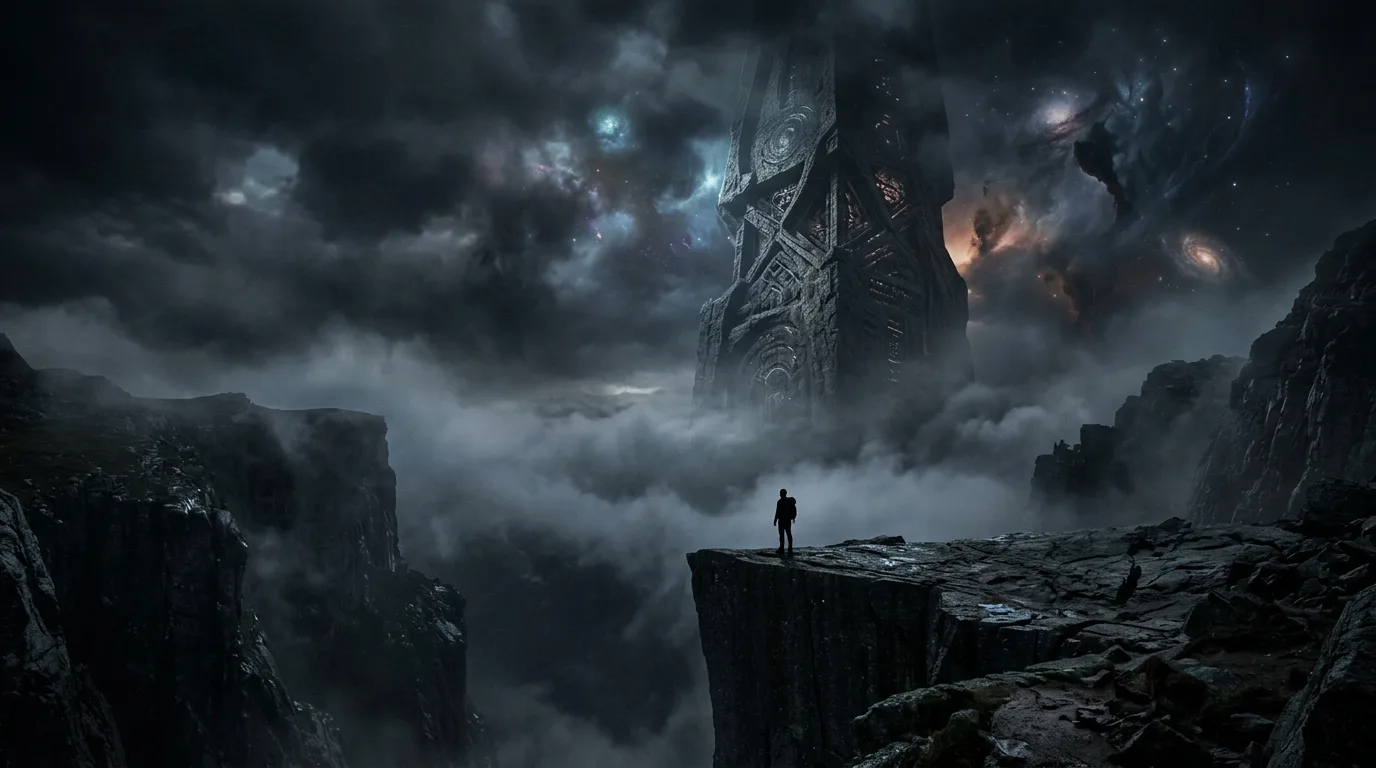
Fear isn't an adjective. Writing "the house was terrifying" scares exactly nobody; what scares people are the concrete details that let the reader conclude, on their own, that the house is terrifying. These are the four tools that do that work:
- Sensory atmosphere. Fear comes in through the senses, not through ideas. A smell of damp where there shouldn't be one, a sudden chill, a silence that's too clean, a sound that doesn't belong. Work the concrete and the physical; sensory description is half the genre. And remember show, don't tell: don't tell us the character is afraid — make the reader's skin crawl instead.
- Rationed information. Fear is proportional to what the reader doesn't know. Suggest instead of showing; leave gaps for the reader's imagination — always worse than anything you could put on the page — to fill in. The shadow at the end of the hallway is scarier than the creature described in full detail.
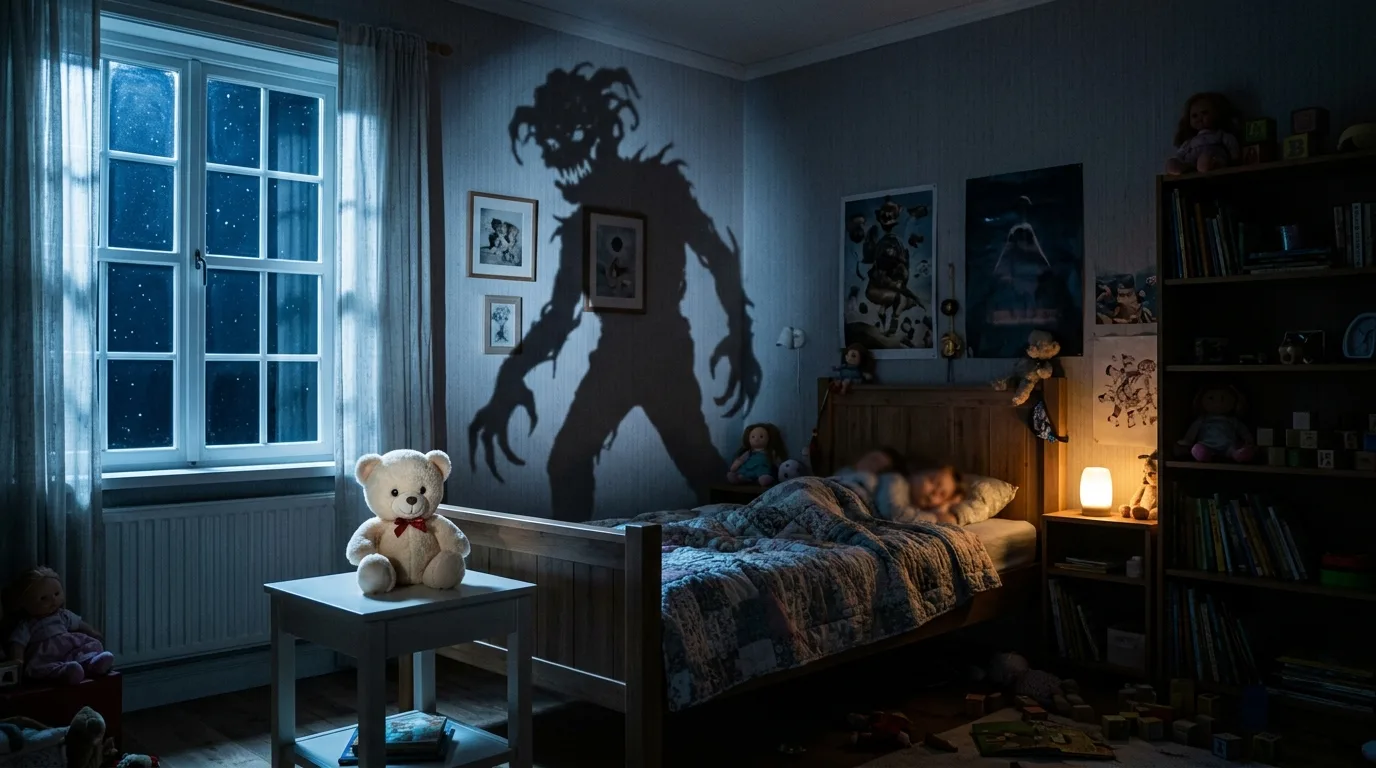
- Breaking the everyday. You need a normal to break. The best horror scenes start somewhere safe and domestic — a kitchen, a phone call, a kid playing — and introduce one small crack that contaminates everything. Without an established normal, there's no contrast; without contrast, there's no fear.
- Time. Horror is a matter of pacing. Stretch out the moment before the reveal: lengthen the sentence, slow the scene's pulse, let the character — and the reader — sense that something's wrong before they know what. And cut at the peak, not after. The scene that ends the instant the door starts to open scares more than the one that shows what's behind it.
2. Sustaining Fear in a Long Novel
This is where the horror short story and the horror novel part ways, and where almost every manuscript runs aground. Scaring someone for five pages is hard; scaring them for three hundred, without the reader growing immune, is the real craft. The enemy has a name: desensitization. If every chapter delivers a jump scare at the same volume, by chapter ten the reader is vaccinated and yawning exactly where they should be shaking.
The fix is to think of fear as a wave, not an alarm. Alternate spikes of tension with valleys of calm — false calm — where the reader catches their breath and, more importantly, lowers their guard. That lull isn't filler: it's what makes the next blow land. Three principles for managing it across the whole novel:
- Escalate the stakes. Whatever scared readers in chapter 2 can't scare them the same way in chapter 20. Every return of the threat needs to climb a rung: closer, more personal, with more to lose. A three-act skeleton helps you place that progression.
- Save the monster. The full reveal of the threat — what it is, where it came from, what it wants — belongs in the final third. Showing it earlier means spending your best card on the wrong hand. Before that, only glimpses.
- Be ruthless about your rules. Every supernatural horror runs on internal rules: what the threat can and can't do, what stops it, what wakes it. If those rules change out of convenience halfway through the novel, the reader stops being afraid, because they've stopped believing you. Consistency is what holds up credibility, and credibility is what holds up fear.
3. Horror Subgenres (and the Technique Behind Each One)
Knowing which tradition you're writing in tells you what your reader expects and where you're going to come at them from. These aren't just shelf labels: each subgenre scares through a different mechanism and calls for a different technique.
| Subgenre | Where it comes from | What it scares with | The technique that defines it |
|---|---|---|---|
| Gothic | The Castle of Otranto, Walpole (1764) | The past that returns; the place itself as the threat | Atmosphere and setting: the house or castle is a character |
| Cosmic (Lovecraftian) | H.P. Lovecraft, 1920s-30s | Human insignificance in the face of the incomprehensible | The indescribable: suggesting what the mind can't contain |
| Psychological | From Poe to Shirley Jackson | The doubt: is this really happening, or is it in their head? | An unreliable narrator and sustained ambiguity |
| Body horror | Modern tradition (Cronenberg, film and page) | Losing control over your own body | The physical detail of the transformation or the disease |
| Folk horror | Rural folklore; term coined around 1970 | The closed community, paganism, sacrifice | Landscape and custom as a trap that closes in |
| Slasher | 1970s-80s film tradition, with literary roots | The chase: a predator and its victims | Pacing, the countdown, and the rules of who survives |
Almost every great horror novel blends more than one — The Shining is gothic and psychological at once — but it helps to know which one is in charge: that decides where you put the weight and what you're promising the reader.
How to Write Your Horror Novel in Scriptum
Horror is secretly the most technical genre of all: it demands tracking what the reader knows at every moment, where the threat is, what rules govern your monster, and how much unreleased tension you're currently sitting on. Losing that thread over the course of a long novel is exactly what kills the fear — and it's exactly the kind of thing a tool can keep track of for you.
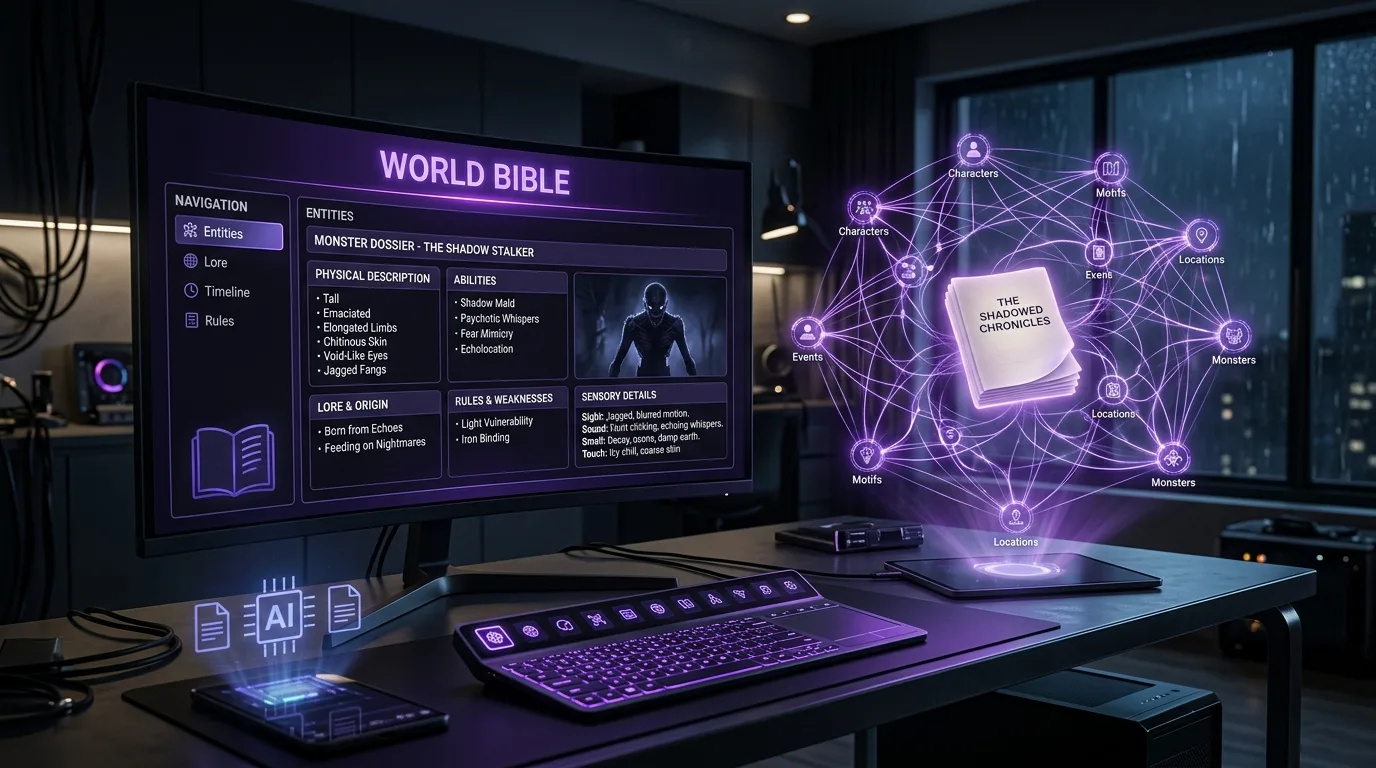
In Scriptum, the World Bible lets you lock down your threat's rules — what it can do, what stops it, what you reveal and in which chapter — so the consistency that holds your fear together doesn't slip away halfway through the manuscript. And here's the key to how we think about AI: Aura doesn't write the horror for you — the fear is yours — but it's a great sounding board for sensory atmosphere. When a scene isn't quite landing the chill you want, you can ask Aura to suggest atmospheric details — what's audible, what's smellable, what's out of place in that room — and keep only what earns its spot. It's a sounding board for your setting, not a substitute for your voice. If you want to get the most out of that collaboration, our guide to AI prompts for writing fiction gives you the method.
Reading to Master the Genre
Read them with a writer's eye: notice how long they wait before showing the threat, how they build atmosphere before the first jolt, and what they decide never to tell you.
| Work | Author | What to learn |
|---|---|---|
| Frankenstein (1818) | Mary Shelley | The monster as a mirror: horror born from empathy, not disgust. |
| Dracula (1897) | Bram Stoker | The threat rationed out through letters and diary entries: fear built by accumulation. |
| The Haunting of Hill House (1959) | Shirley Jackson | The peak of psychological horror: you never know if it's the house or the mind. A National Book Award finalist. |
| The Call of Cthulhu (1928) | H.P. Lovecraft | Cosmic horror: how to suggest what is, by definition, indescribable. |
| Carrie (1974) | Stephen King | Everyday horror: high school, home, and adolescence as the setting for fear. |
| Our Share of Night (2019) | Mariana Enríquez | Contemporary horror in translation, winner of the Herralde Prize: the political and the supernatural intertwined. |
Common Mistakes (or Why Your Horror Isn't Scary)
- You show the monster too soon. Seen once, it stops being scary. Save the full reveal for the end; before that, only fragments and shadows.
- You explain everything. A solved mystery is a dead mystery. Explaining where the creature came from, how the curse works, and why, kills the fear. Leave questions open.
- You lean on blood instead of tension. The gross-out impresses, but it doesn't scare, and it burns out fast. If it's your first resort instead of your last, you started at the ending.
- There's no normal to break. If the novel starts already in the macabre, there's no contrast and no fall. Horror needs solid ground before the tremor.
- You break your own rules. If the ghost couldn't touch objects and suddenly throws a knife because the plot needed it to, the reader stops believing you, and without belief there's no fear.
- Cardboard characters. We're not afraid for a threat; we're afraid for someone. Without characters we care about, the best creature in the world doesn't matter.
- Constant jump scares. Without valleys of calm, the peaks stop registering. Silence is part of the scream.
Frequently asked questions
What is the difference between horror and terror in writing?
Although they're often used as synonyms, they describe two different sensations. Terror is anticipatory dread — the tension of what's about to happen, the fear of what you can't see. Horror is the reaction of revulsion once you see it, when the threat is revealed. Stephen King ranked them into three levels in Danse Macabre (1981): terror, which he considers the finest emotion; horror, more physical; and "the gross-out," which he saves as a last resort. The practical rule: terror scares more the less you show.
How do you build suspense and fear in a horror story?
Fear comes from anticipation and the unknown, not from blood. H.P. Lovecraft put it best in 1927: "The oldest and strongest emotion of mankind is fear, and the oldest and strongest kind of fear is fear of the unknown." In practice, it's built with four tools: sensory atmosphere that puts the reader on edge, rationed information (suggesting instead of showing), breaking something ordinary and safe, and time — letting tension build before any reveal.
What makes a horror story actually scary (not just gory)?
Gore impresses; it doesn't necessarily scare, and it wears out fast — Stephen King himself calls it "the gross-out," the level he only reaches when he can't manage terror or horror first. What actually scares readers is restraint: a believable normal life established before anything breaks, concrete sensory detail instead of abstract adjectives like "terrifying," a threat you delay showing for as long as possible, and a scene cut at its peak of tension instead of after it's resolved. Blood can decorate a scene; it can't replace the anticipation that makes it scary.
What are the subgenres of horror fiction?
The main ones are Gothic horror (atmosphere, ruins, and a past that returns, going back to The Castle of Otranto in 1764), cosmic or Lovecraftian horror (human insignificance in the face of the incomprehensible), psychological horror (the threat lives in the mind and in doubt), body horror (the grotesque violation of the body), folk horror (rural folklore, paganism, and community, a term coined around 1970), and the slasher (a killer stalking their victims). Each one scares through a different mechanism and calls for a different technique.
How do you sustain tension in a long horror novel without exhausting the reader?
The enemy of the long horror novel is desensitization: if everything is a jump scare, nothing scares. The fix is a wave-like rhythm: alternate spikes of tension with valleys of deceptive calm where the reader catches their breath and lowers their guard. Escalate the stakes progressively, save the full reveal of the threat for the final third, and keep your monster's rules consistent across every chapter — a rule broken without explanation breaks the fear along with it.
Why isn't my horror novel scary?
It's almost always one of these four reasons: you show the monster too soon (seen once, it stops being scary), you explain everything (a solved mystery becomes harmless), you reach for blood instead of tension (it impresses but doesn't scare), or you never built a normal life for your story to violate. Fear lives in anticipation and ambiguity; the moment you shine a light on it and explain it, you kill it.
What fears work best in a horror story?
Universal, primal fears that don't depend on the reader's culture: the dark and what it might be hiding, losing control over your own body or mind, death and what comes after, the unknown, and the corruption of the familiar (home, childhood, a loved one who stops being who they were). The most effective horror takes something safe and makes it threatening: a house scares people more than a cemetery does.
Where do I start if I want to write a horror novel?
Start with the fear, not the monster. Decide exactly which fear you want to provoke and why it unsettles you personally — horror that doesn't scare the person writing it rarely scares the person reading it. Then choose the subgenre that best channels that fear, build a believable normal before you break it, and decide what you're going to hide and for how long. If you're starting from zero, begin with a general guide on how to write a novel and come back here for the genre-specific part.
Conclusion: Fear Is a Pact
Writing horror isn't about piling up horrors — it's about managing the reader's ignorance. Every detail you choose not to reveal, every second you stretch before the door opens, every rule you honor until the end is a brick in that silent pact where the reader hands you their peace of mind in exchange for a real scare. The greats of the genre aren't remembered for their monsters, but for that feeling that something was already wrong long before anything actually happened.
So resist the urge to show too soon. Build your normal, crack it open, ration the light, and be ruthless about your rules. And if you want a tool that holds the coherence of the fear together while you focus on the scaring, that's exactly what Scriptum does.